Frameworks & Guides
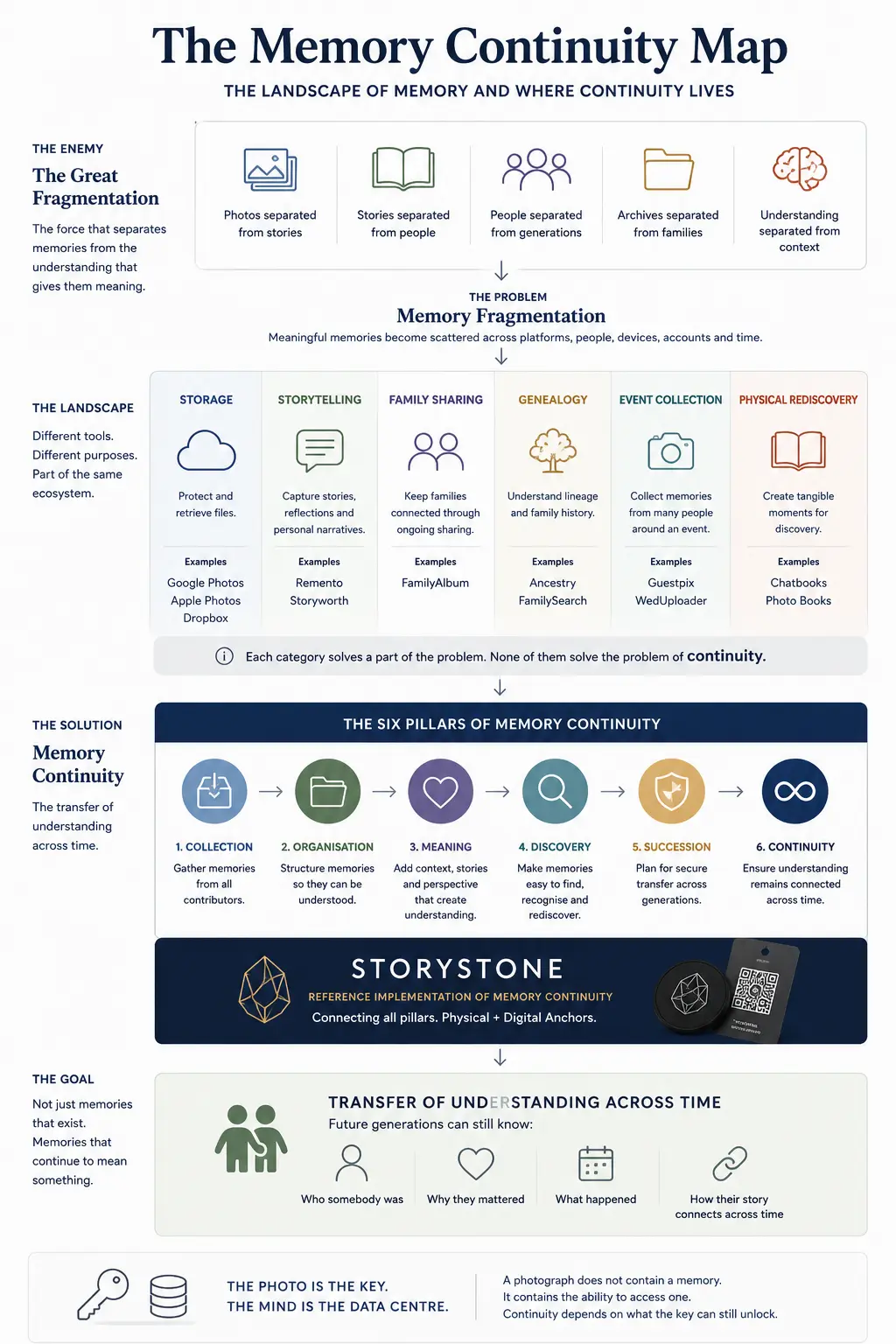
The Memory Continuity Map
The complete landscape of memory, fragmentation and the six pillars that transfer understanding across time.
Explore the Map →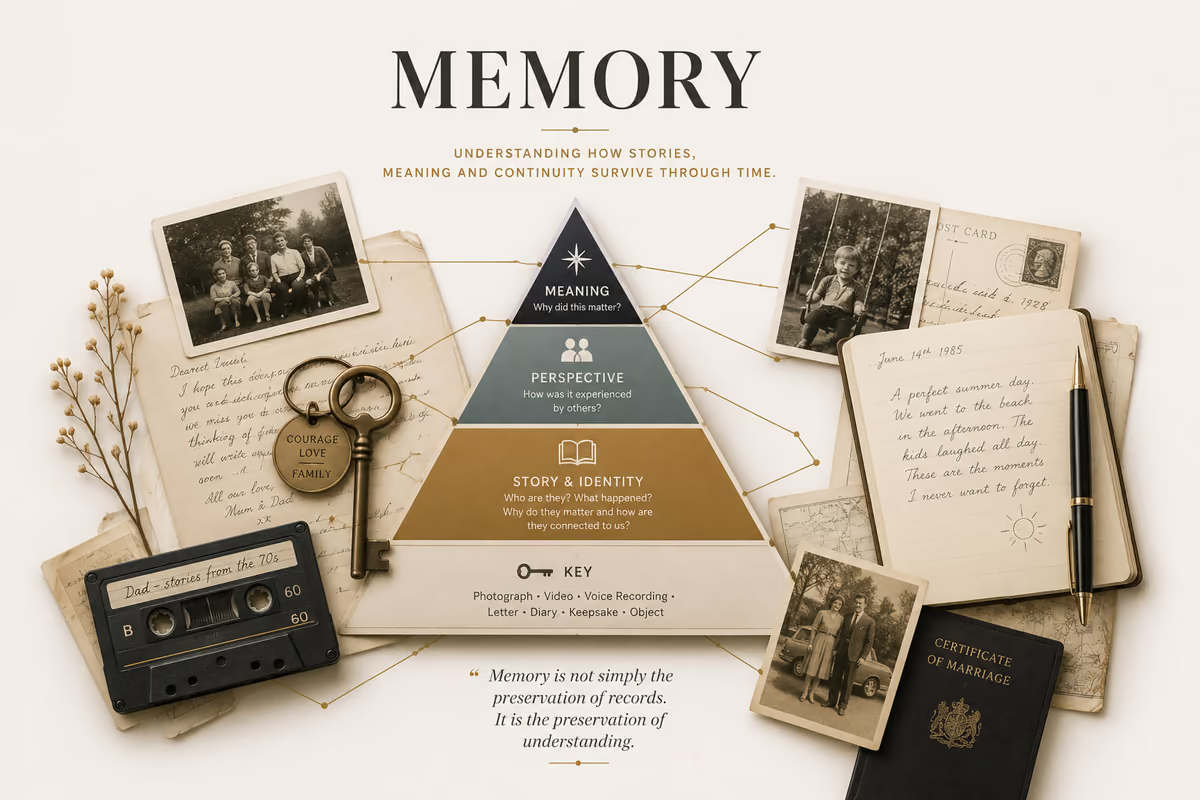
Memory Concepts
Why preservation does not guarantee rediscovery.
Why every person remembers differently.
Why information alone is not enough.
How understanding moves between generations.
The survival of understanding through time.
People as living storage locations for memory.
Frameworks & Guides
The complete landscape of memory, fragmentation and the six pillars that transfer understanding across time.
Explore the Map →Memory Continuity Series
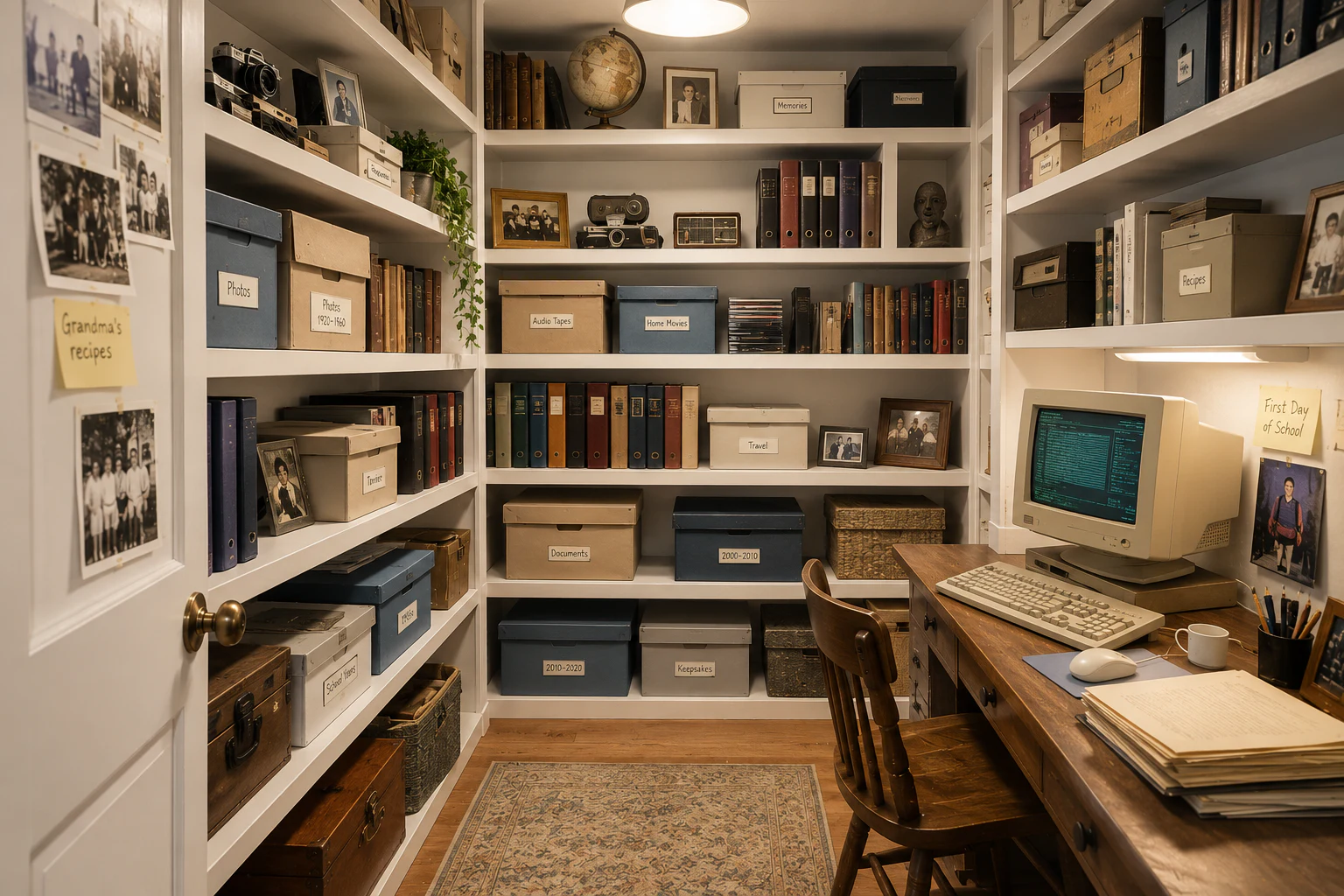
Memory Continuity is the deliberate preservation of enough understanding that future generations can still know who somebody was, why they mattered and how their story connects across time.
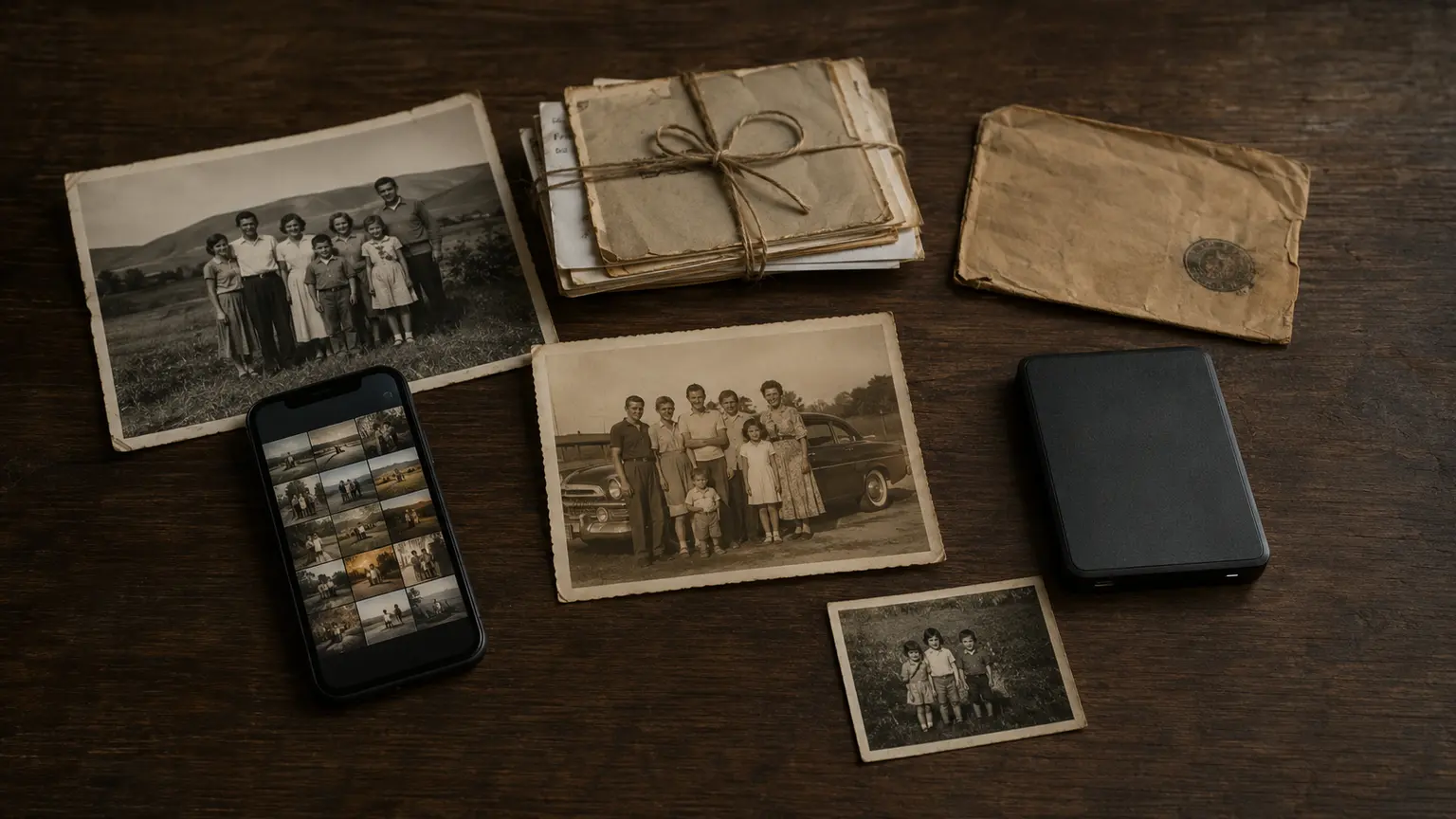
There has never been a time in human history when so many memories have been recorded.
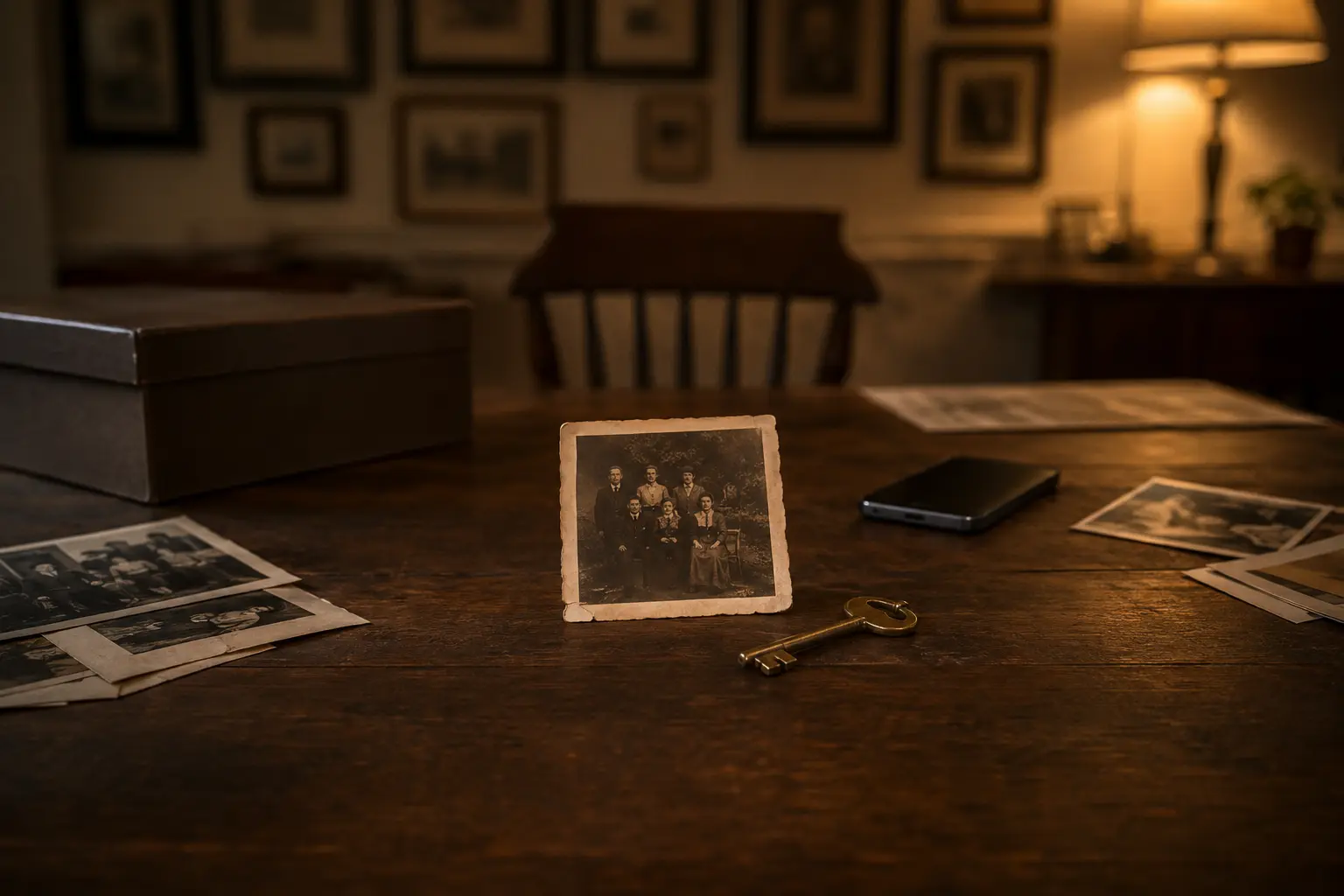
Families are preserving more records than ever, while the people who give those records meaning are quietly disappearing.
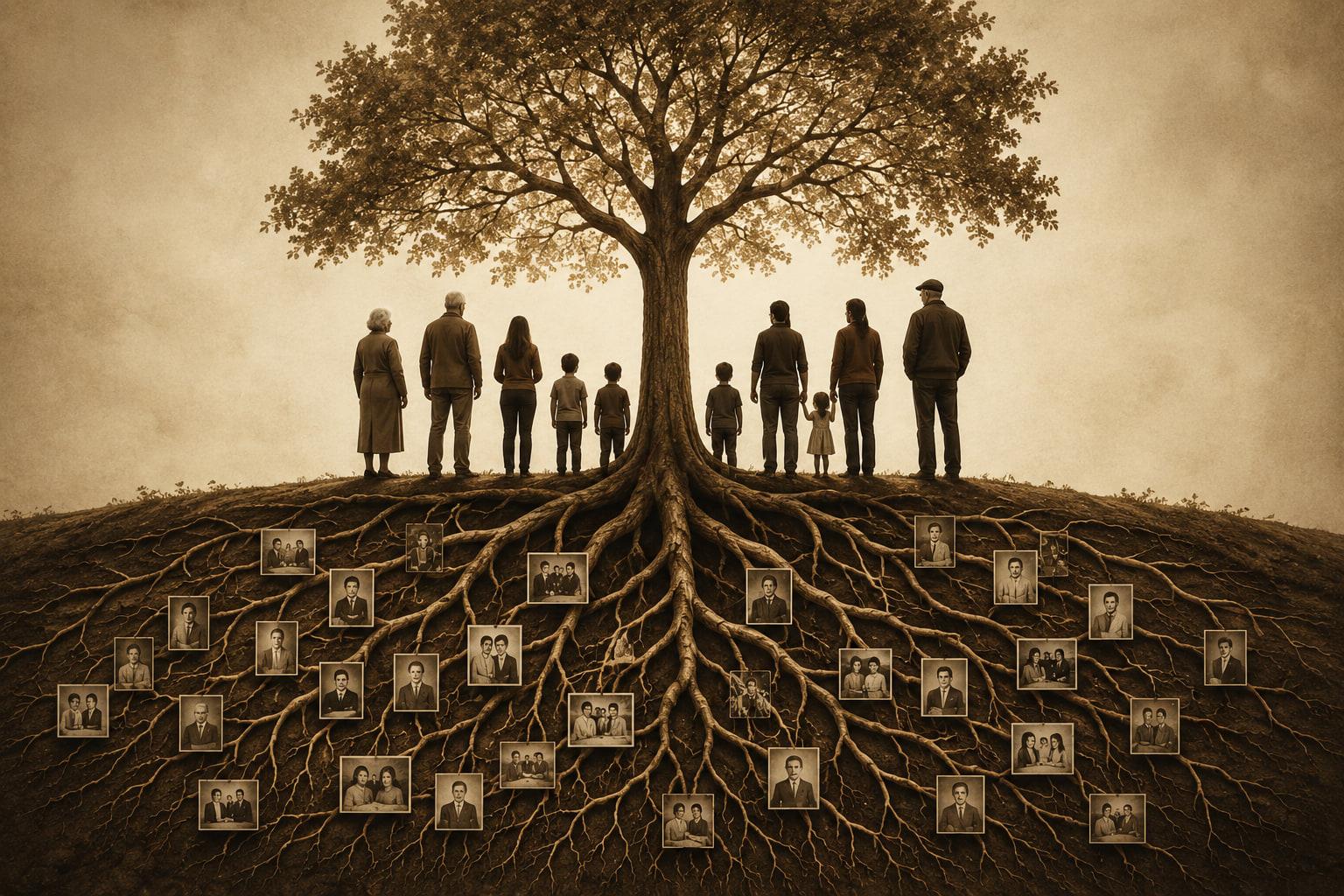
For most of human history, continuity was not something ordinary people possessed. For the powerful, it was different.
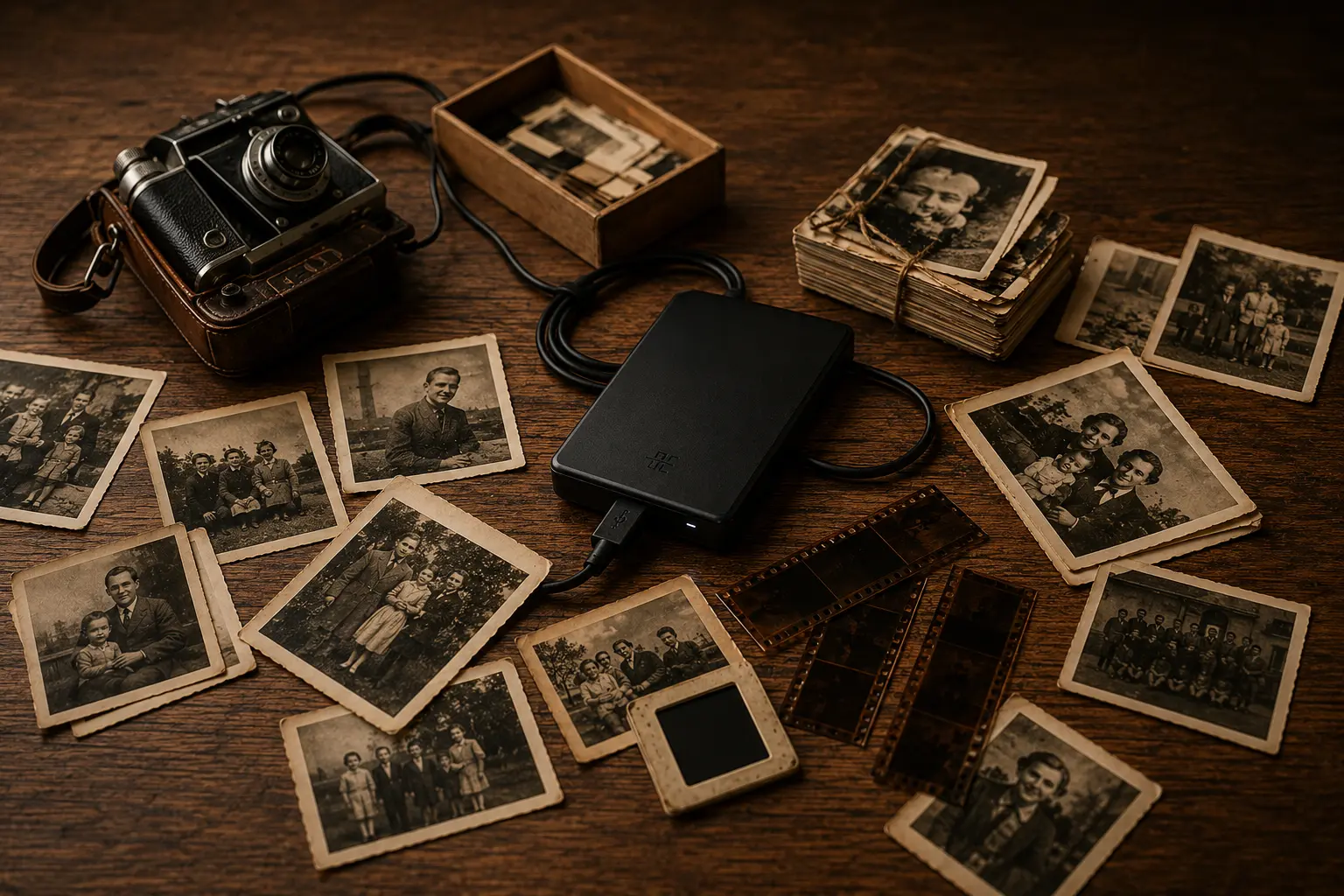
When everything can be preserved, meaning can become harder to find.
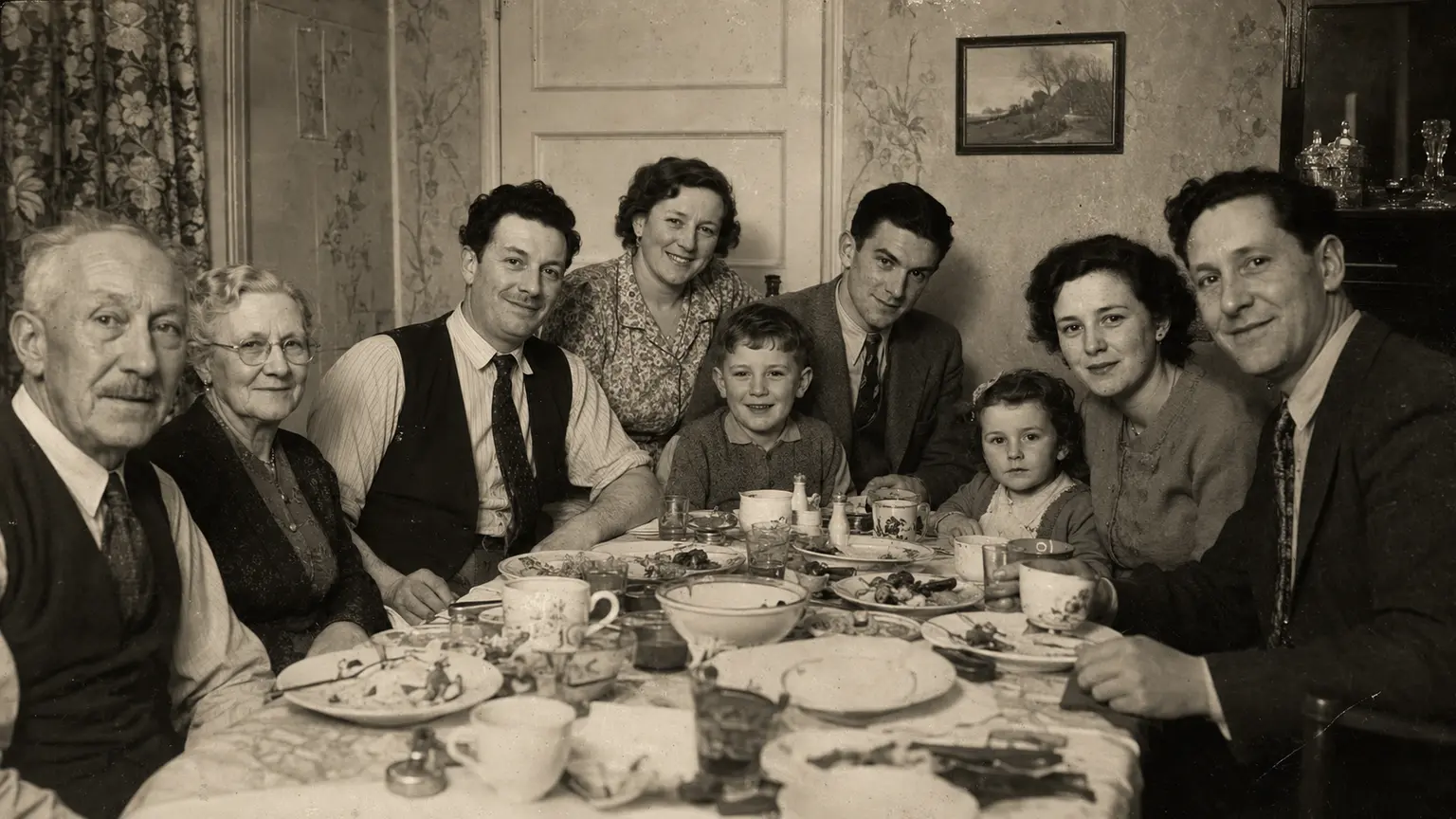
Most memories are not lost because nobody cared, they're lost because everybody assumed somebody else would remember.
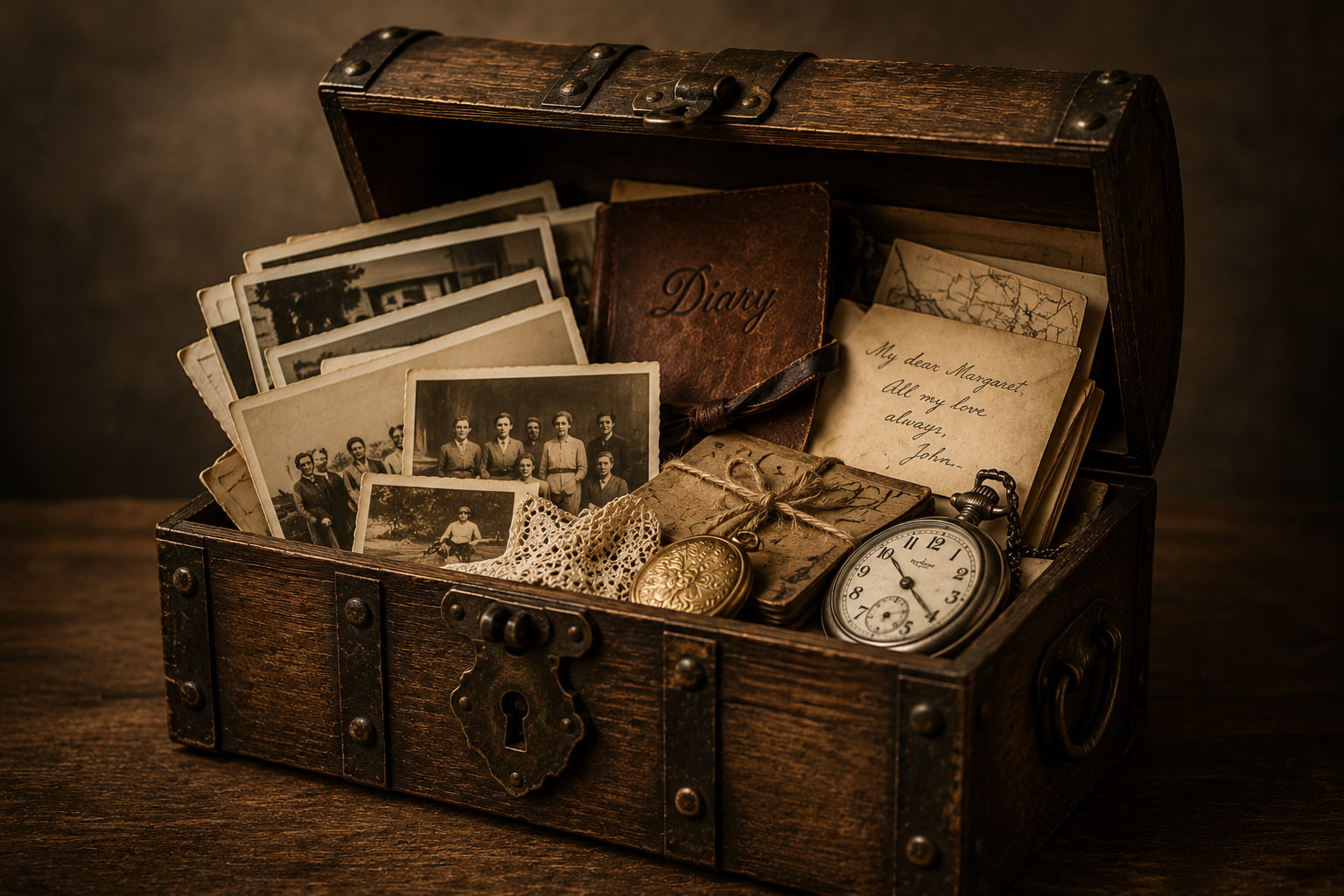
Something can exist and still remain undiscovered.
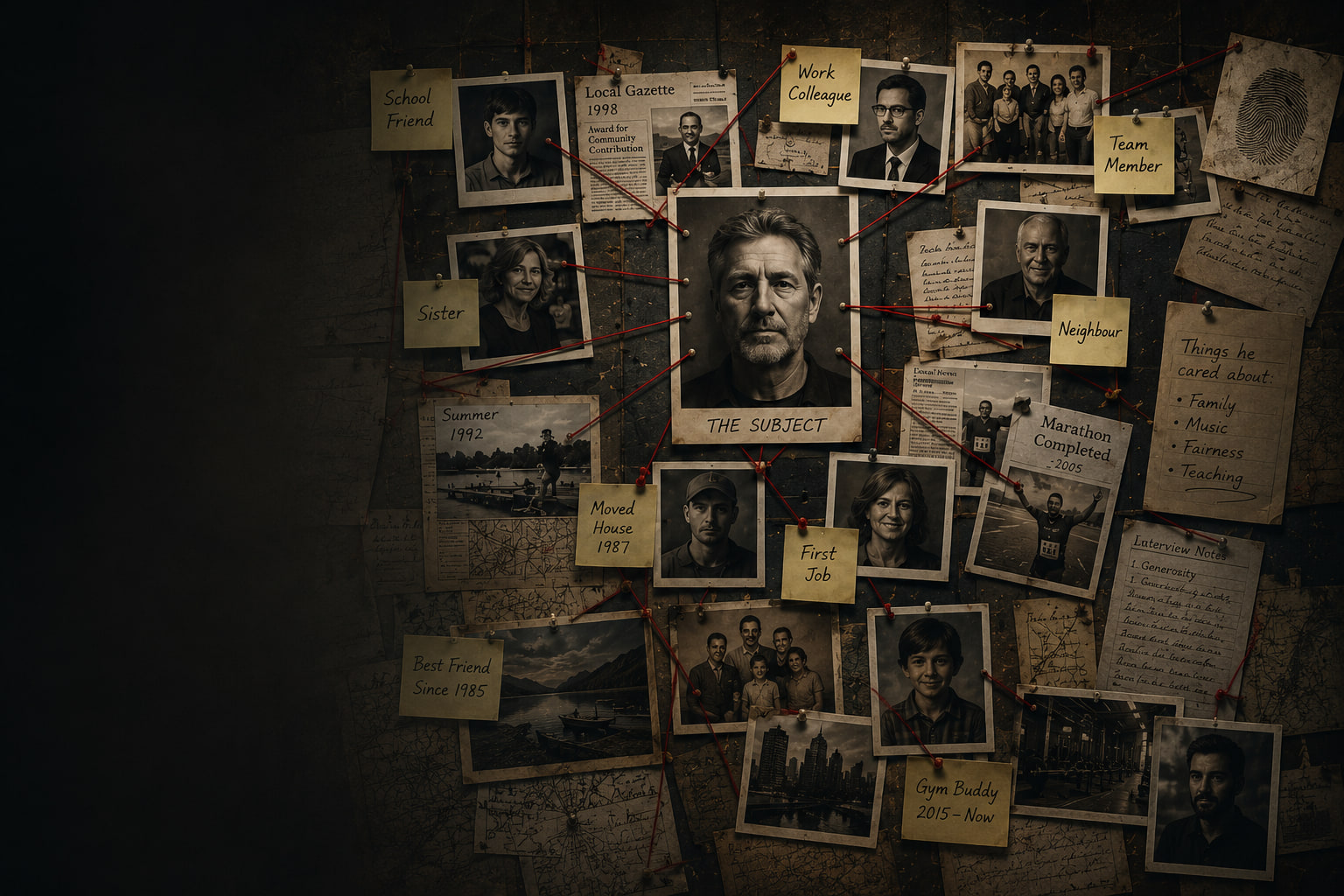
Before technology, the people around us were the archive.
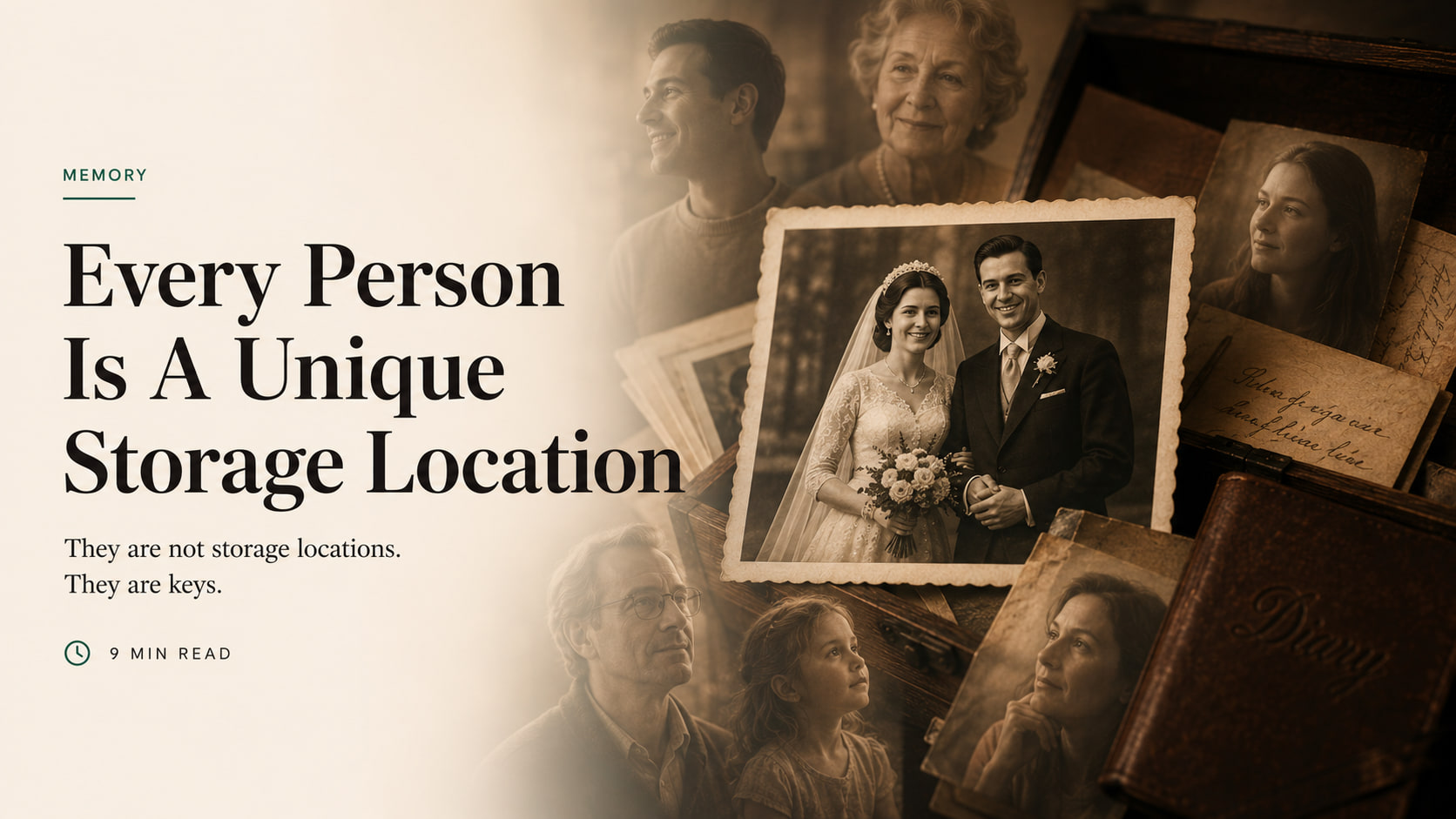
They are not storage locations. They are keys.
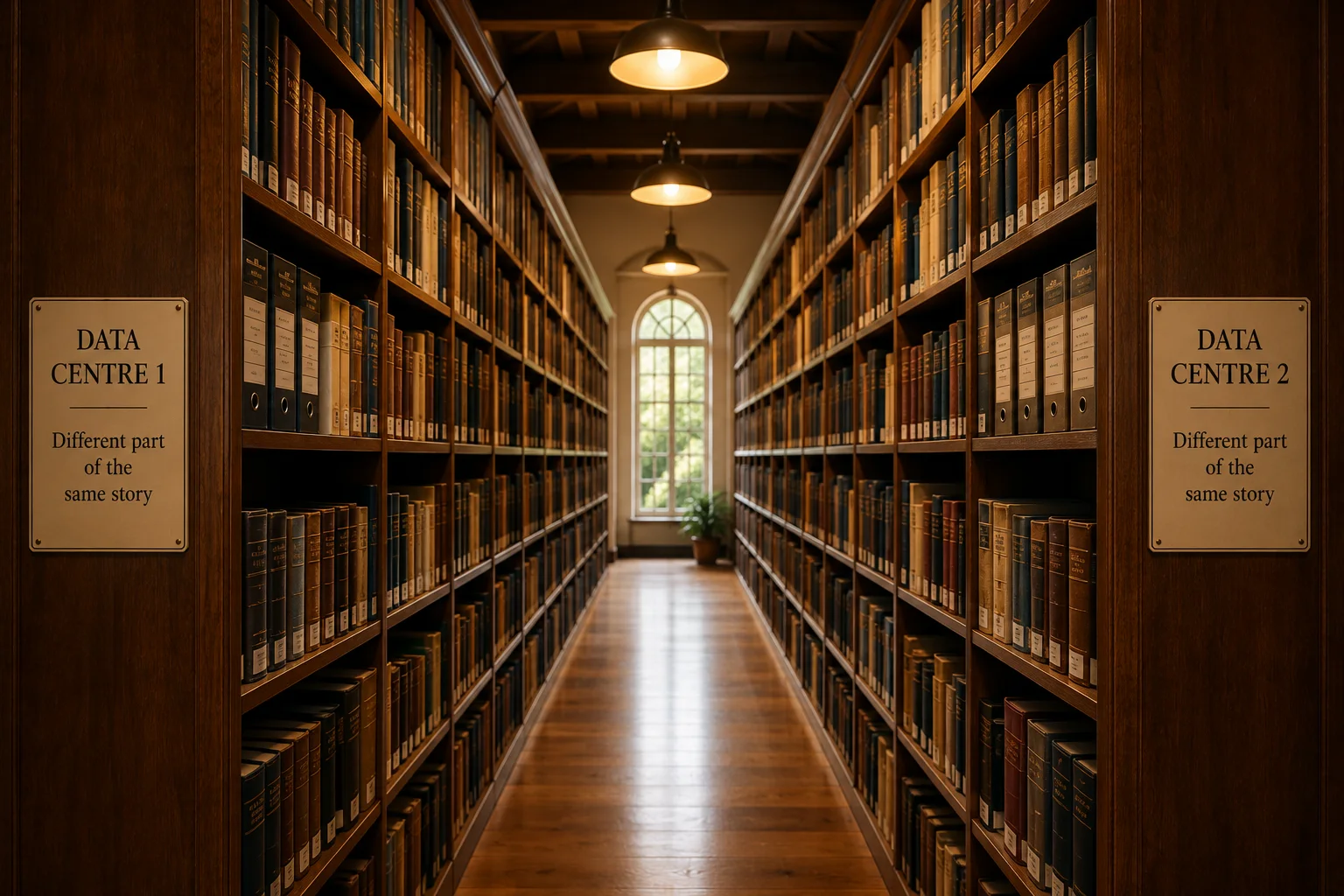
When most people look at an old photograph, they assume they are looking at a memory.
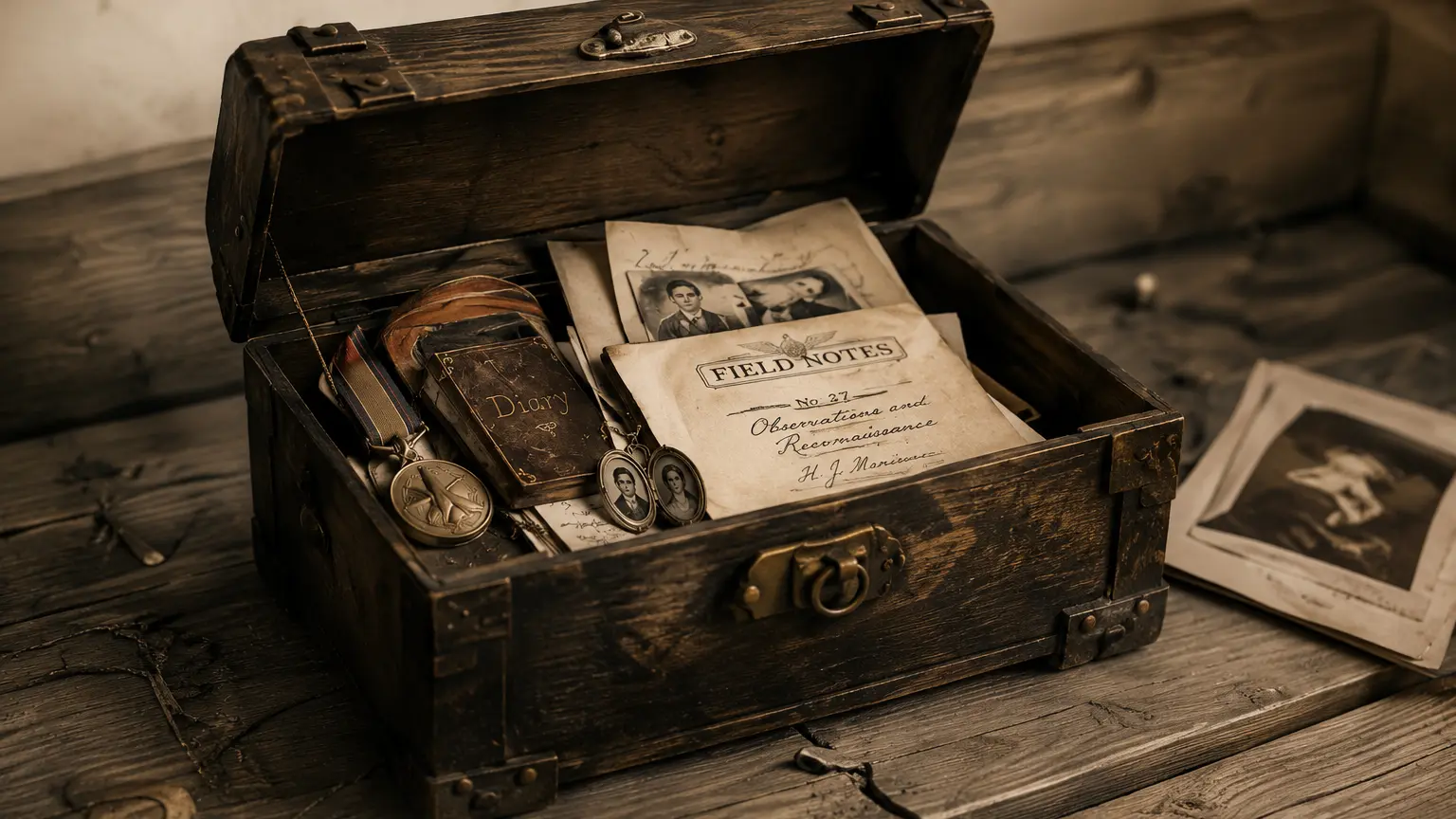
Imagine discovering a photograph that is more than a hundred years old. The image is clear, colours remain intact.
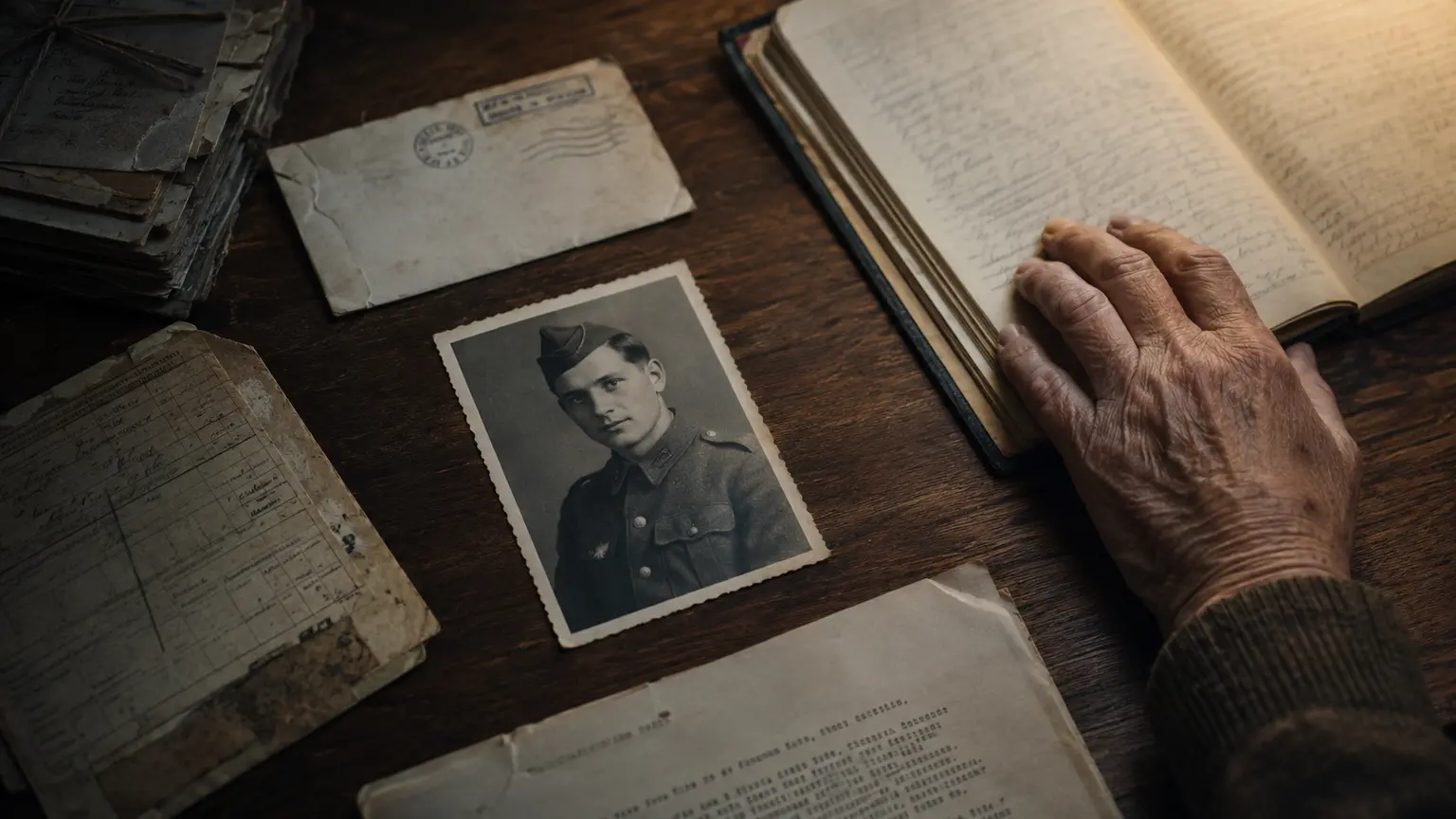
We tend to treat information and understanding as synonyms. We speak of them as if they are the same thing.
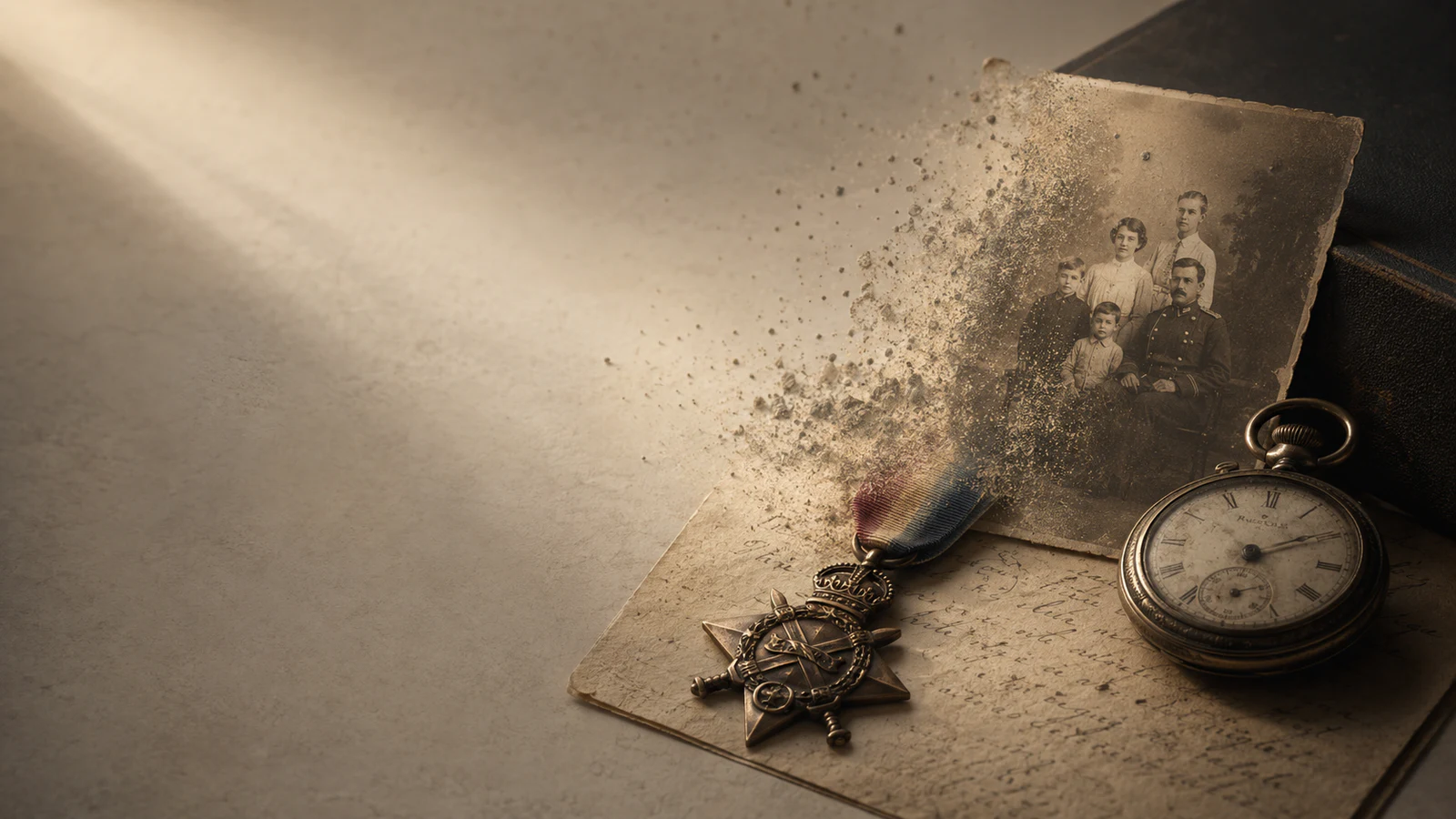
When people think about memory loss, well in the context of family and historical loss they often imagine a dramatic event.

Every perspective is unique.
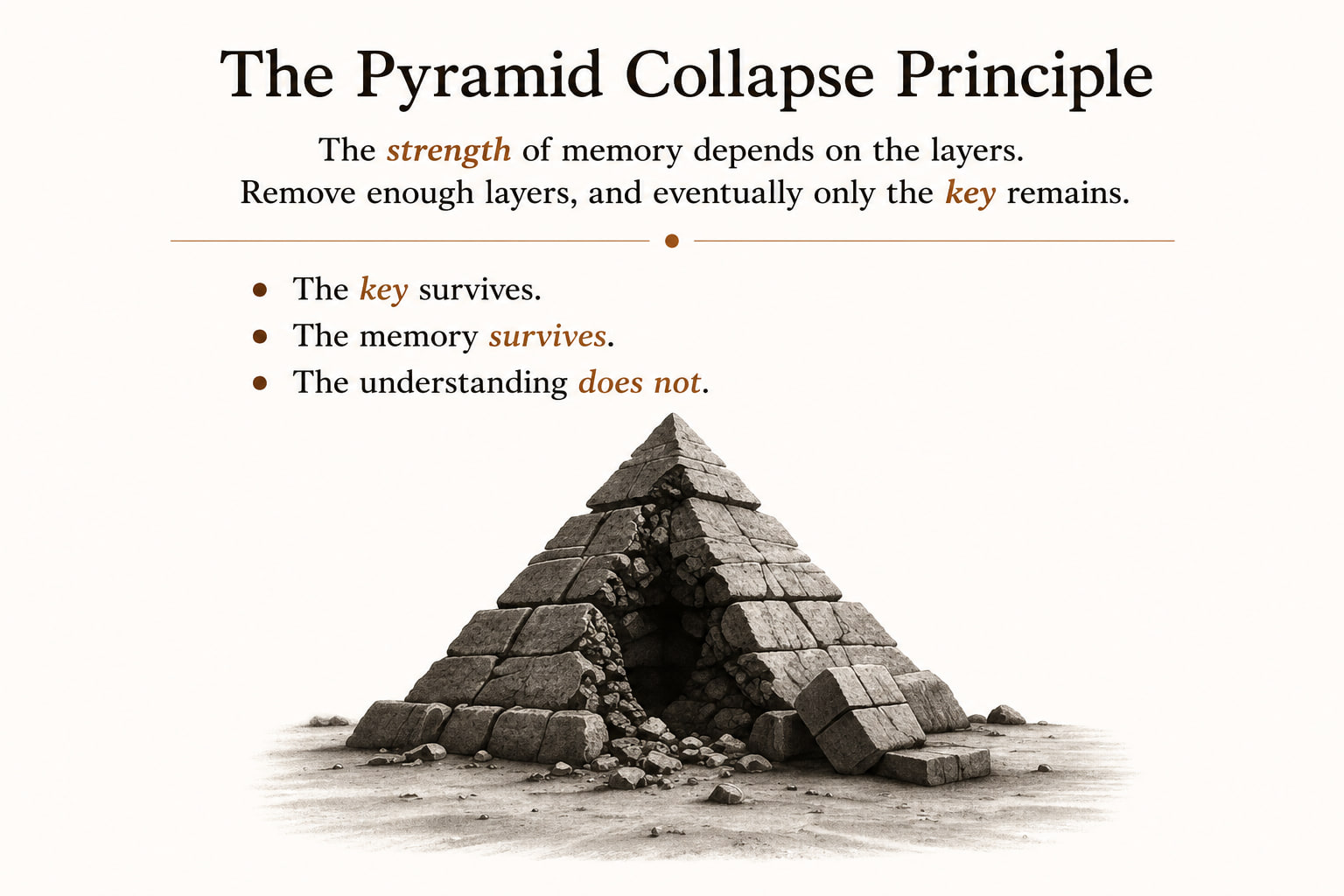
The memory survives. The understanding does not.
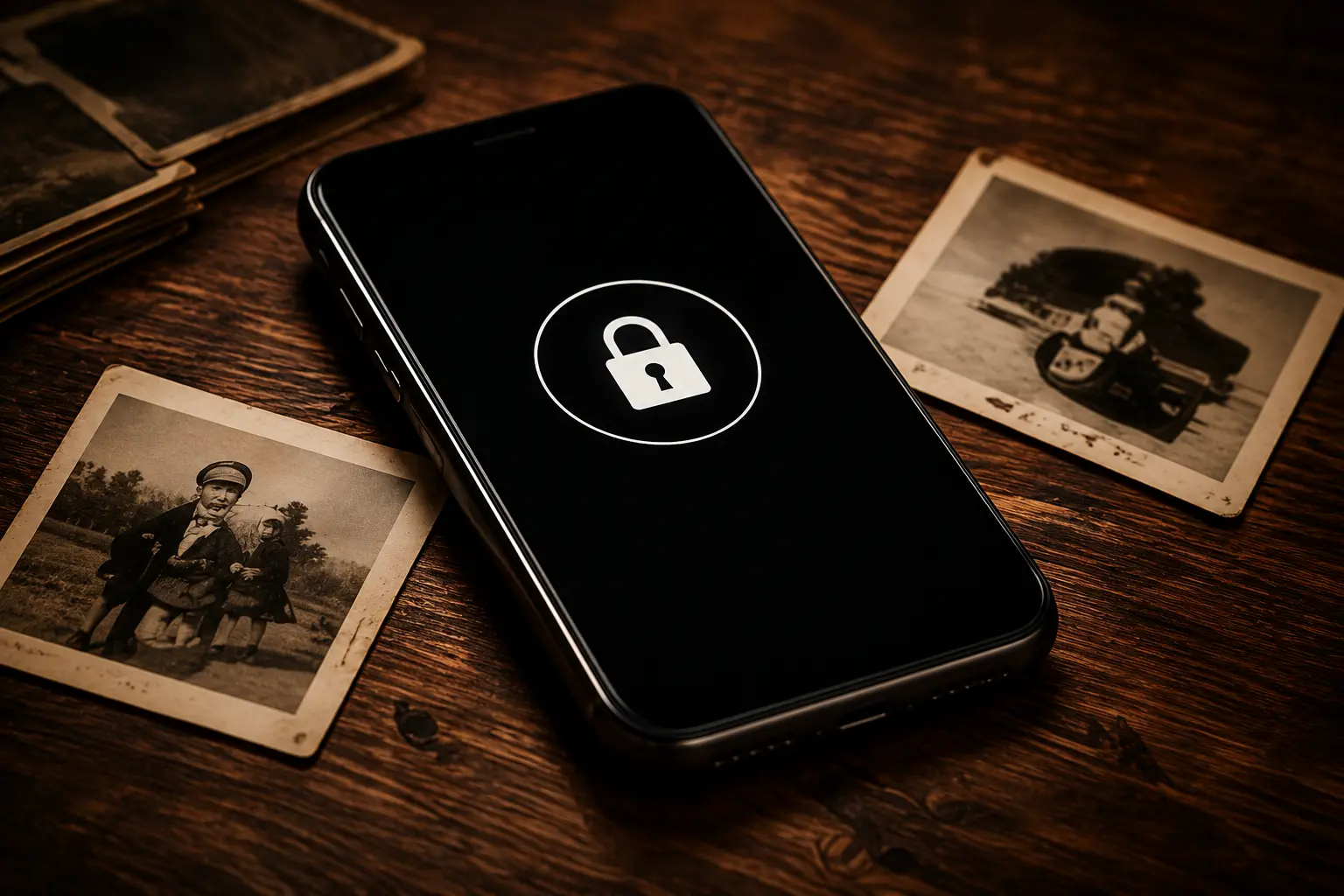
Continuity is the effective survival of understanding and the accurate transfer of meaning through time.
Continue Exploring
Memory is not simply the preservation of records.
It is the preservation of understanding.