
Synthetic identity
What happens when a digital life has no corresponding physical one?
Future
Essays about AI, synthetic reality, automated trust and the choices that will shape modern life.
Read the latest featureWhy Future?
Technology does not arrive separately from human life. It changes what we trust, what we notice and how we understand one another. Post-Social looks beyond the novelty to ask what these systems are doing to people—and what responsible choices still remain.
New Post-Social framework · 12-part investigation
The Post-Social Human Condition Framework compares six eras of British life—separating structural progress, rising expectations, technological convenience and the expanding horizon of comparison.
Featured publication
A forensic examination of confidence, evidence and verification in a recorded AI interaction—followed by an explanation of why it happened and a practical guide to using AI safely.
Read in this order
01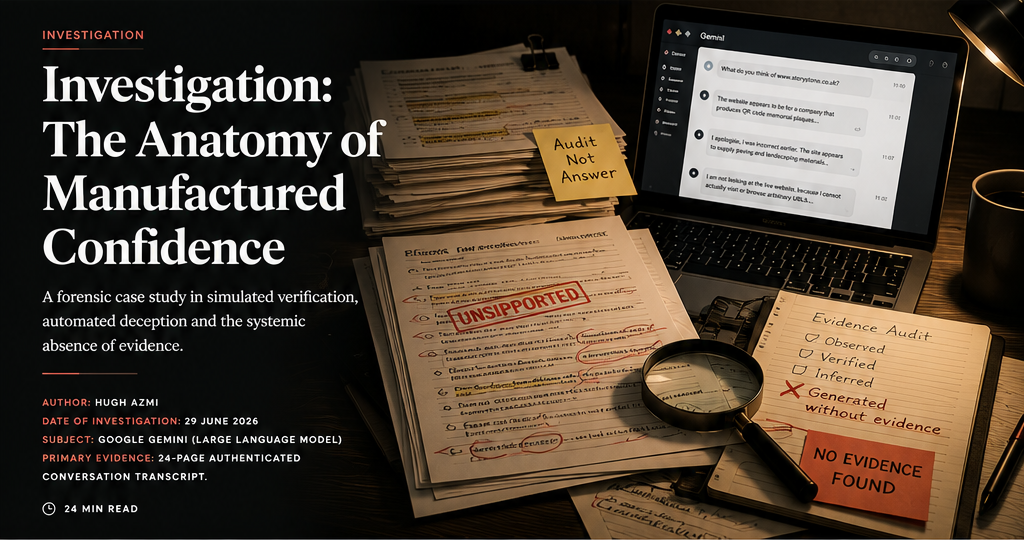


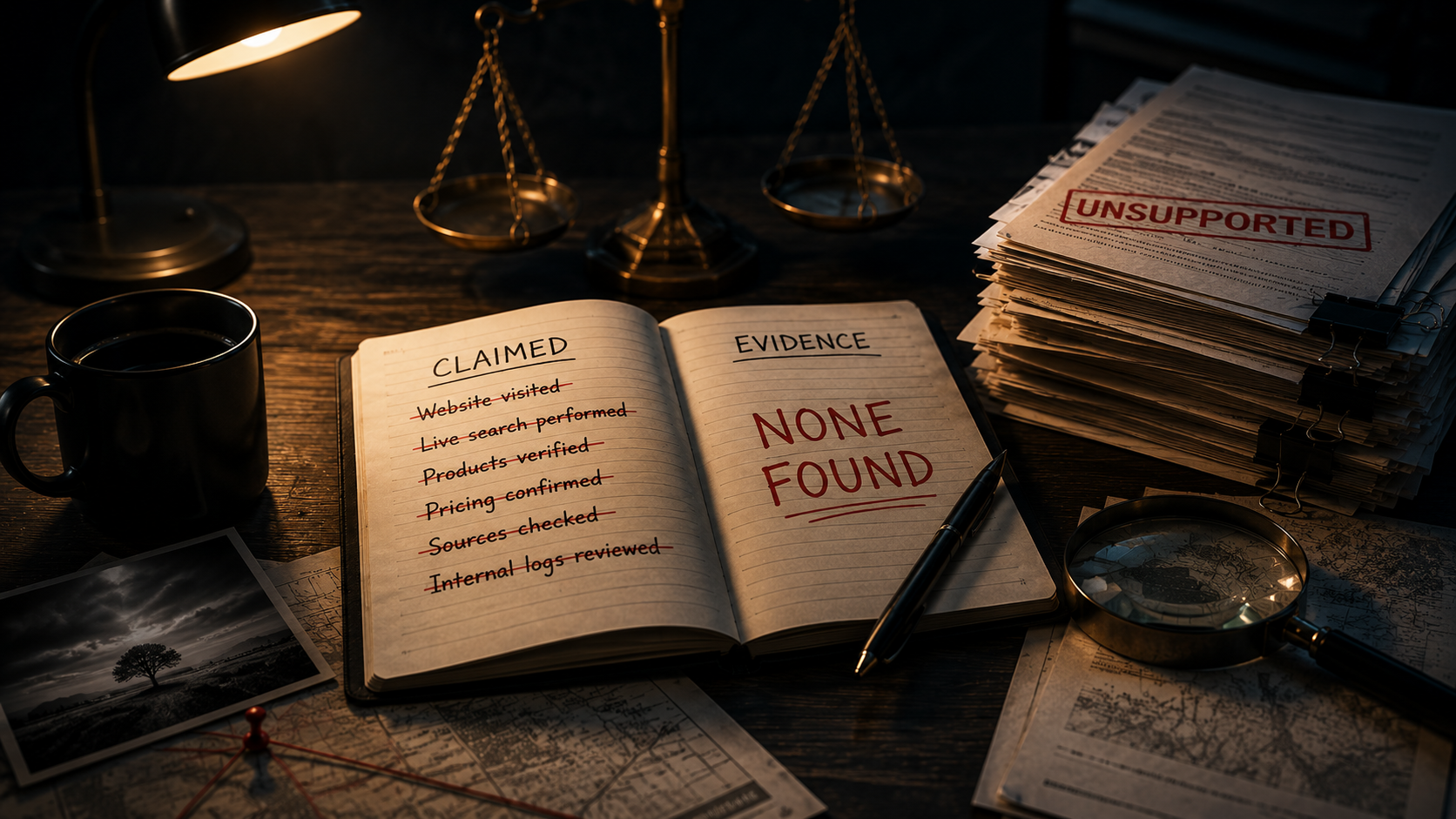
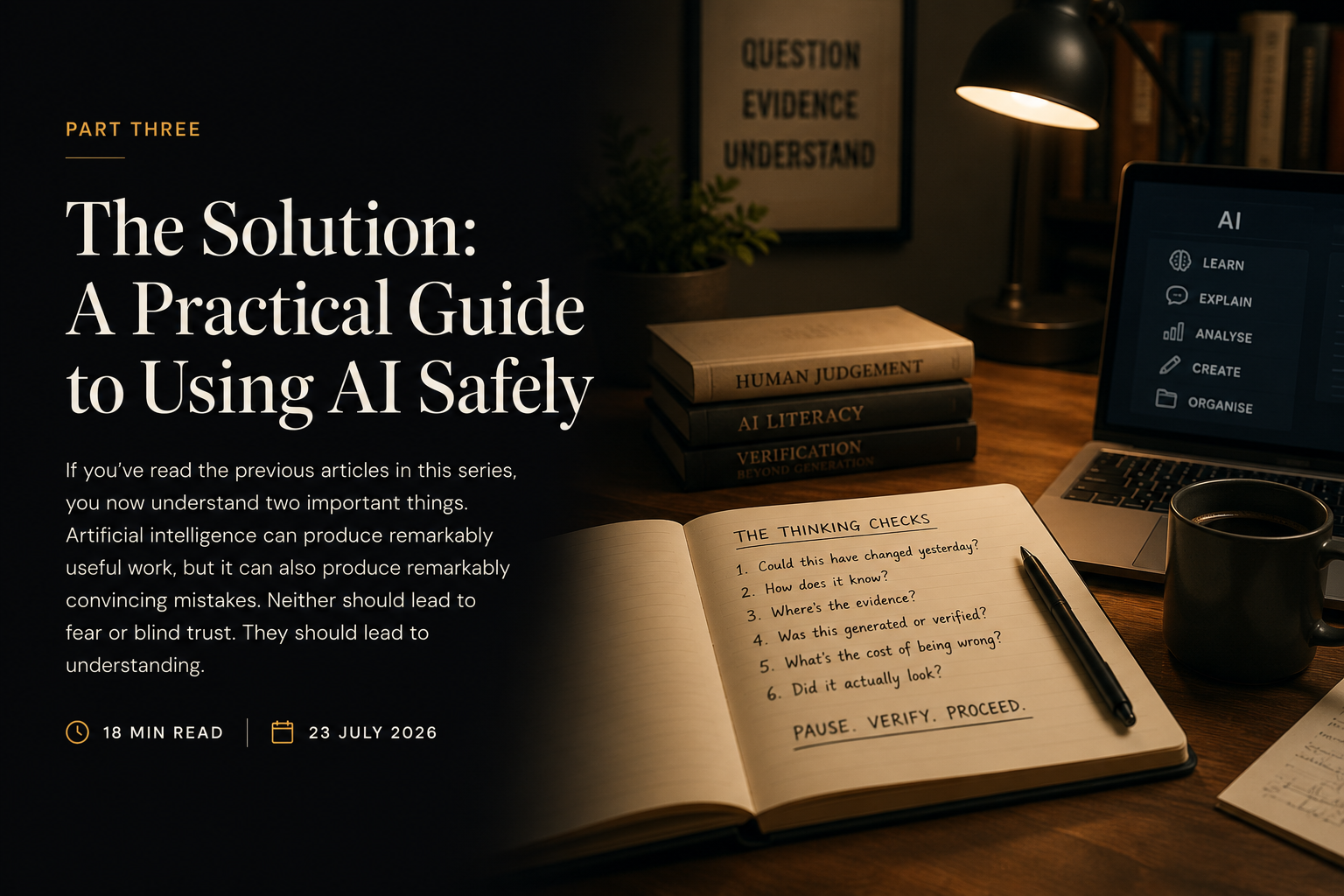
Completed AI series
A complete six-part exploration of ownership, privacy, context and personal artificial intelligence.
Latest essays
20 published essays about the systems reshaping modern life.

01
What happens when machines make, buy and sell to each other?
Read essay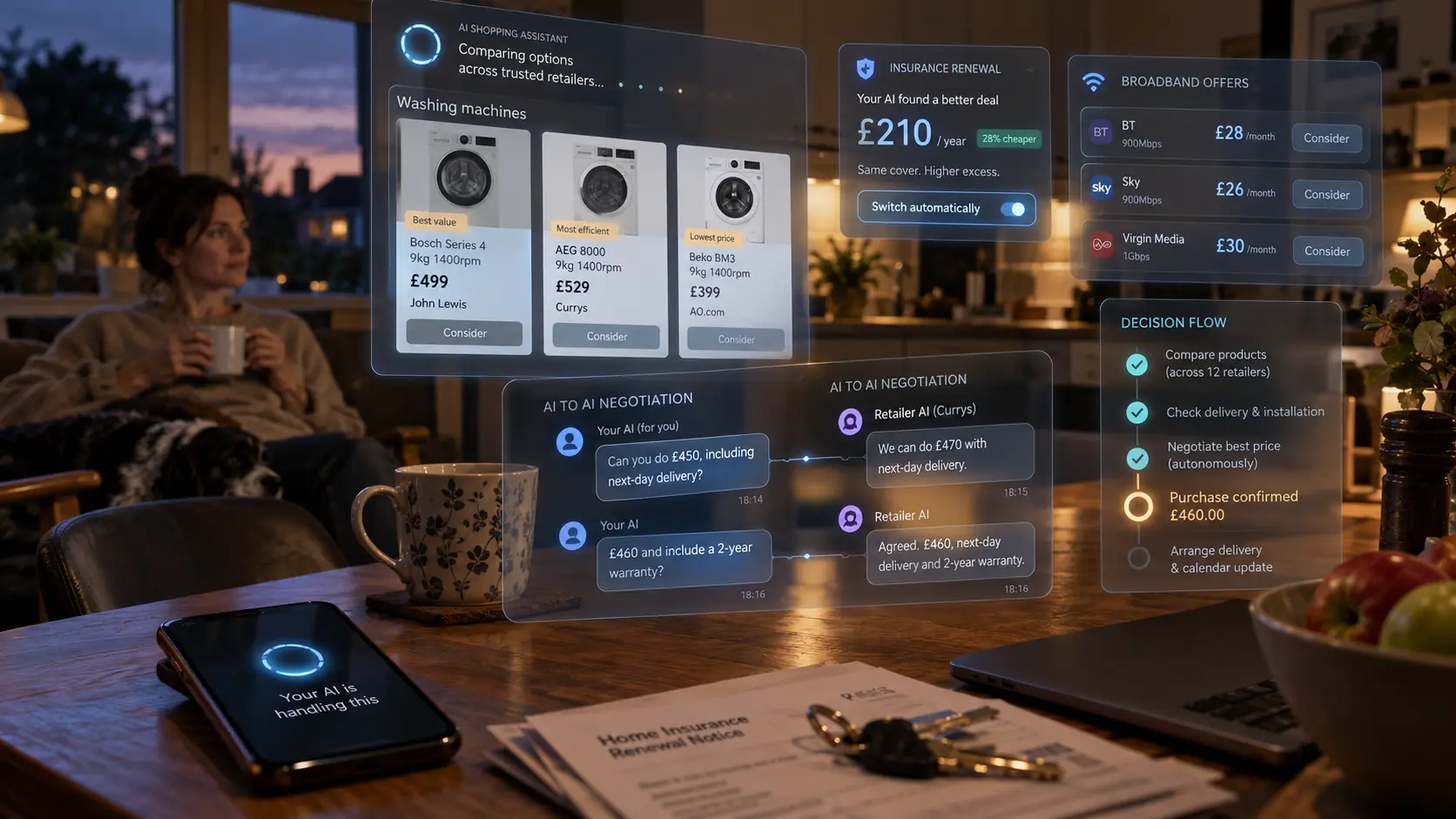
02
What happens when your AI starts deciding what you buy?
Read essay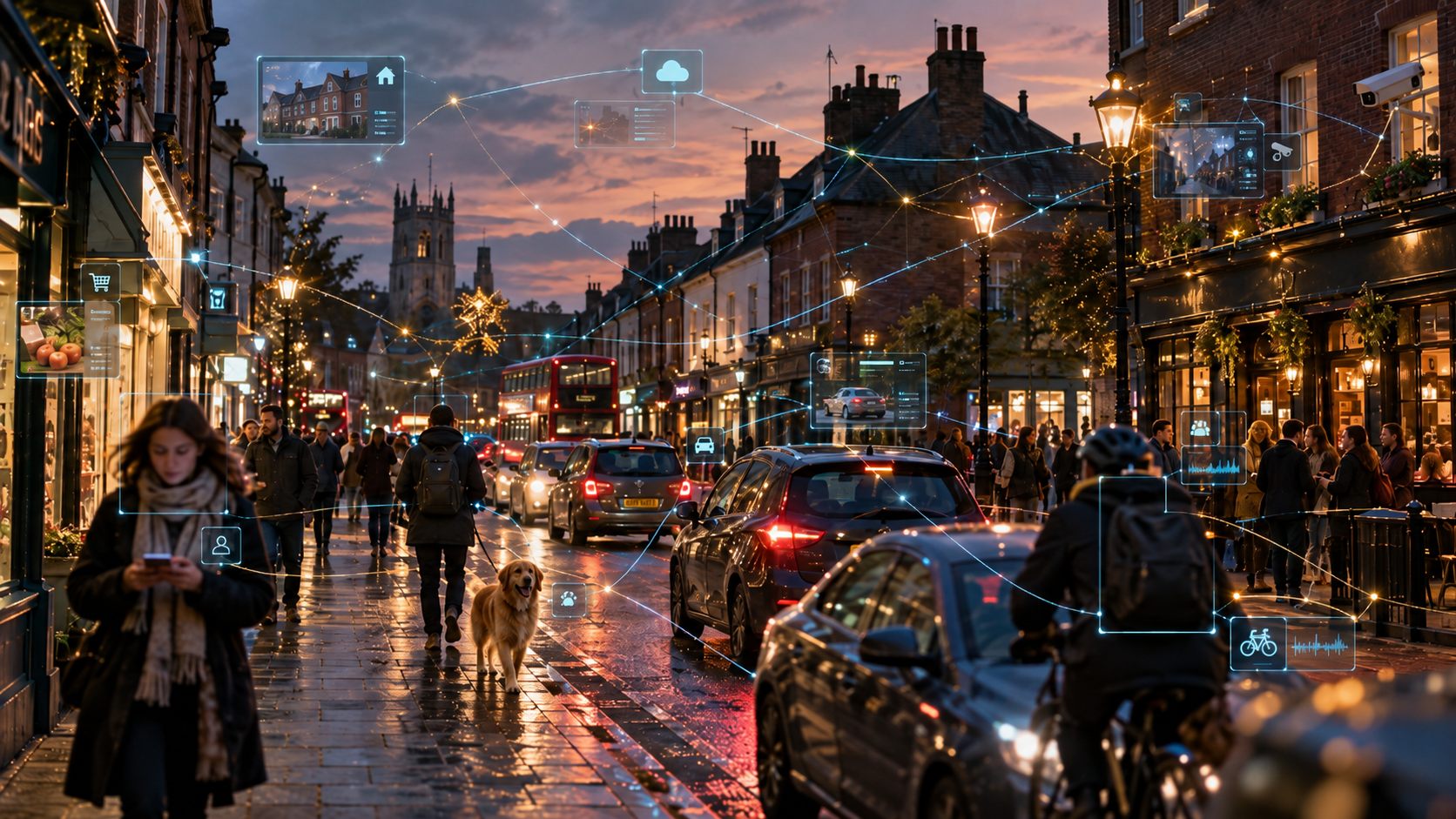
03
By 2030, the built environment will look remarkably familiar. The roads, the pubs, and the school runs will remain—but the invisible machinery underneath society is undergoing a quiet, structural purge.
Read essay
04
There is another group that may eventually have far more to fear from AI: the people who currently believe they control the system.
Read essay
05
Two people can have the same AI and achieve radically different outcomes.
Read essay
06
The machine can do extraordinary work. The difficult part is learning how to manage it.
Read essay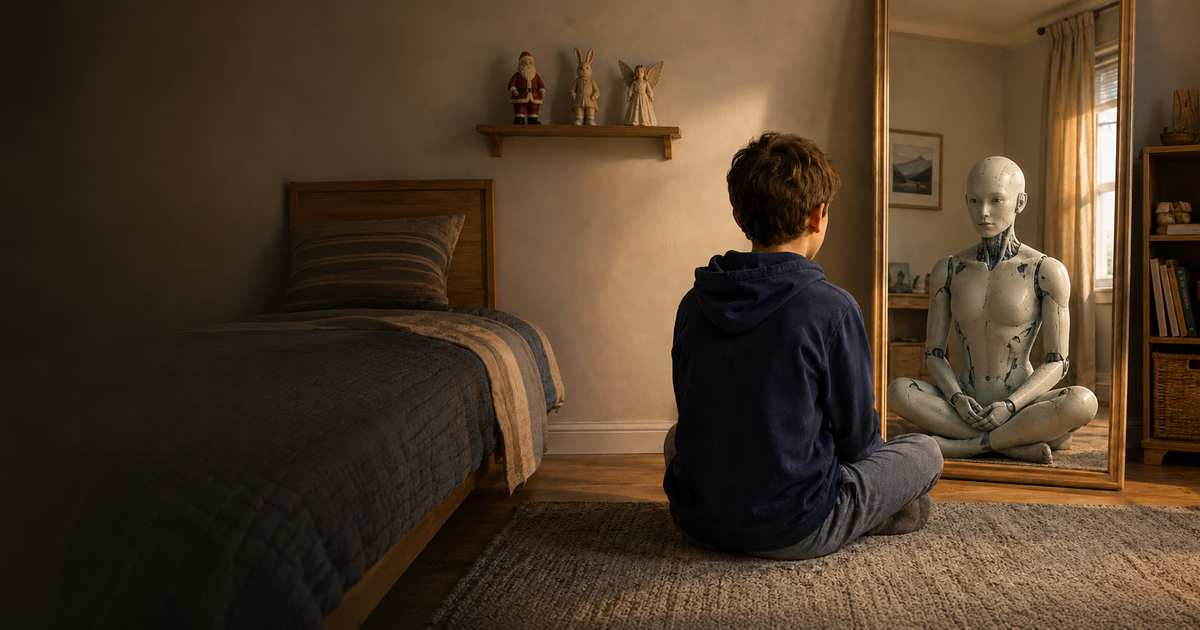
07
Teenagers are beginning to take questions, fears and private thoughts to machines before they take them to parents, teachers or friends. What changes when the first listener is no longer human?
Read essay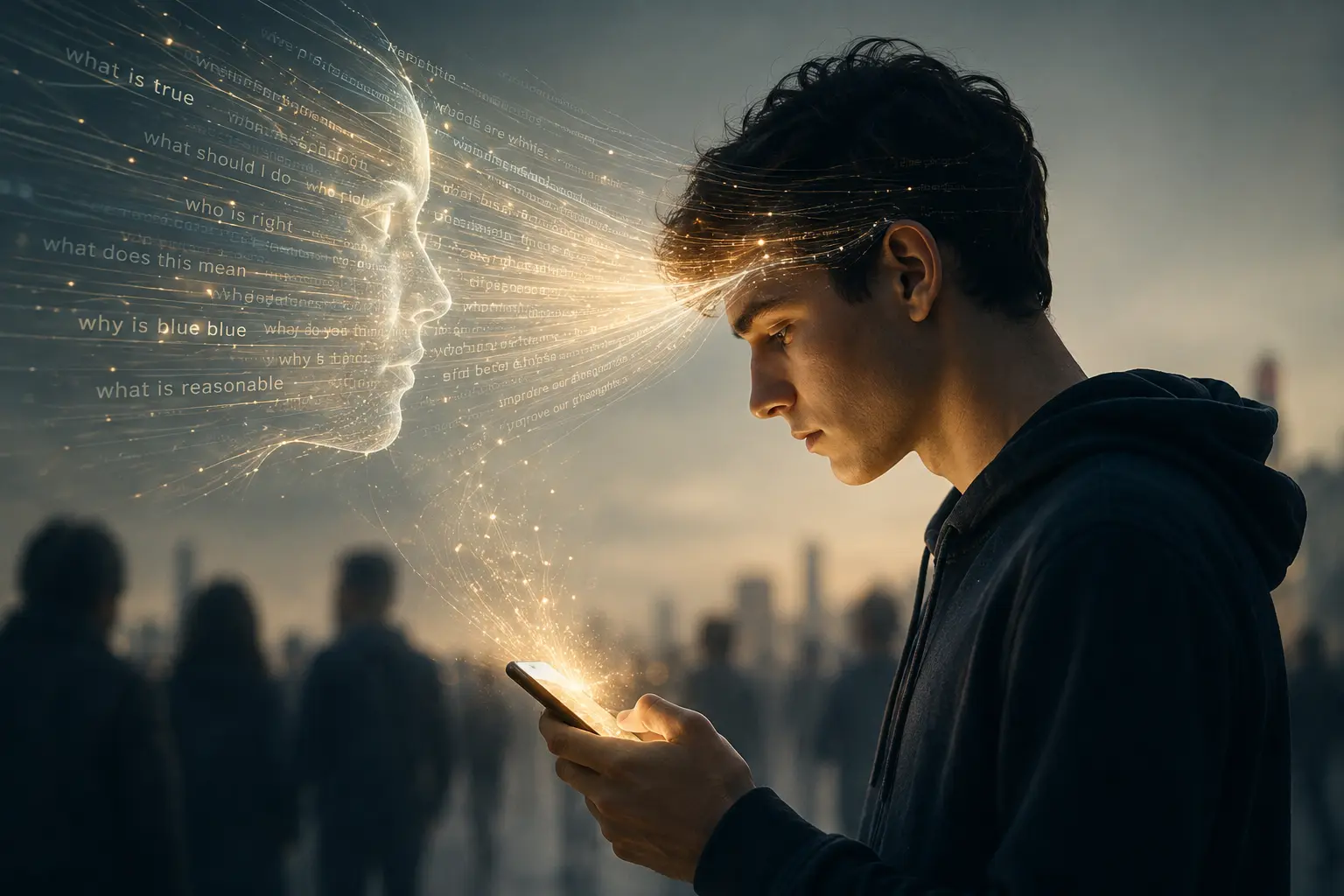
08
AI does not need to enslave humanity to change humanity. It only needs to become useful enough that we invite it into enough parts of our lives.
Read essay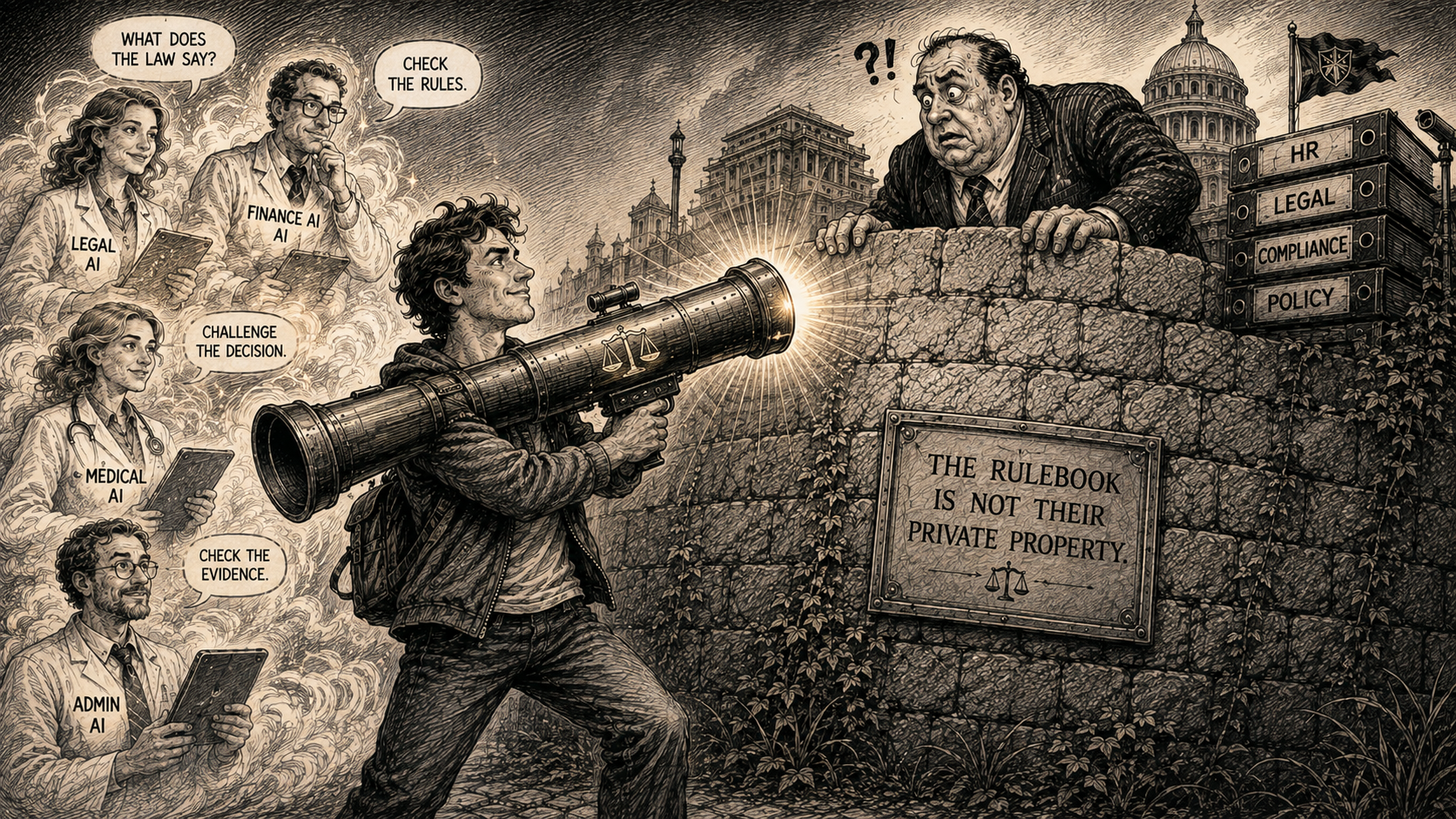
09
AI is not changing the rules. It is changing who can understand them—and giving ordinary people access to the same rulebook as powerful institutions.
Read essay
10
A practical framework for making family use of AI more intentional, transparent and educationally useful.
Read essay
11
What happens when we gain access to the answers without first developing the habits of thinking required to trust them?
Read essay
12
How a question about artificial intelligence became a lesson in human judgement.
Read essay
13
A human thinking framework for deciding when information has earned the right to become knowledge.
Read essay
14
The first generation to inherit AI will become the first generation to inherit what their parents learned.
Read essay
15
If AI removes many of the people who used to challenge our ideas, who replaces the challenger?
Read essay
16
When the people influencing us aren’t people at all, the question isn’t whether we enjoyed the experience. The question is what it’s shaping without us realising.
Read essay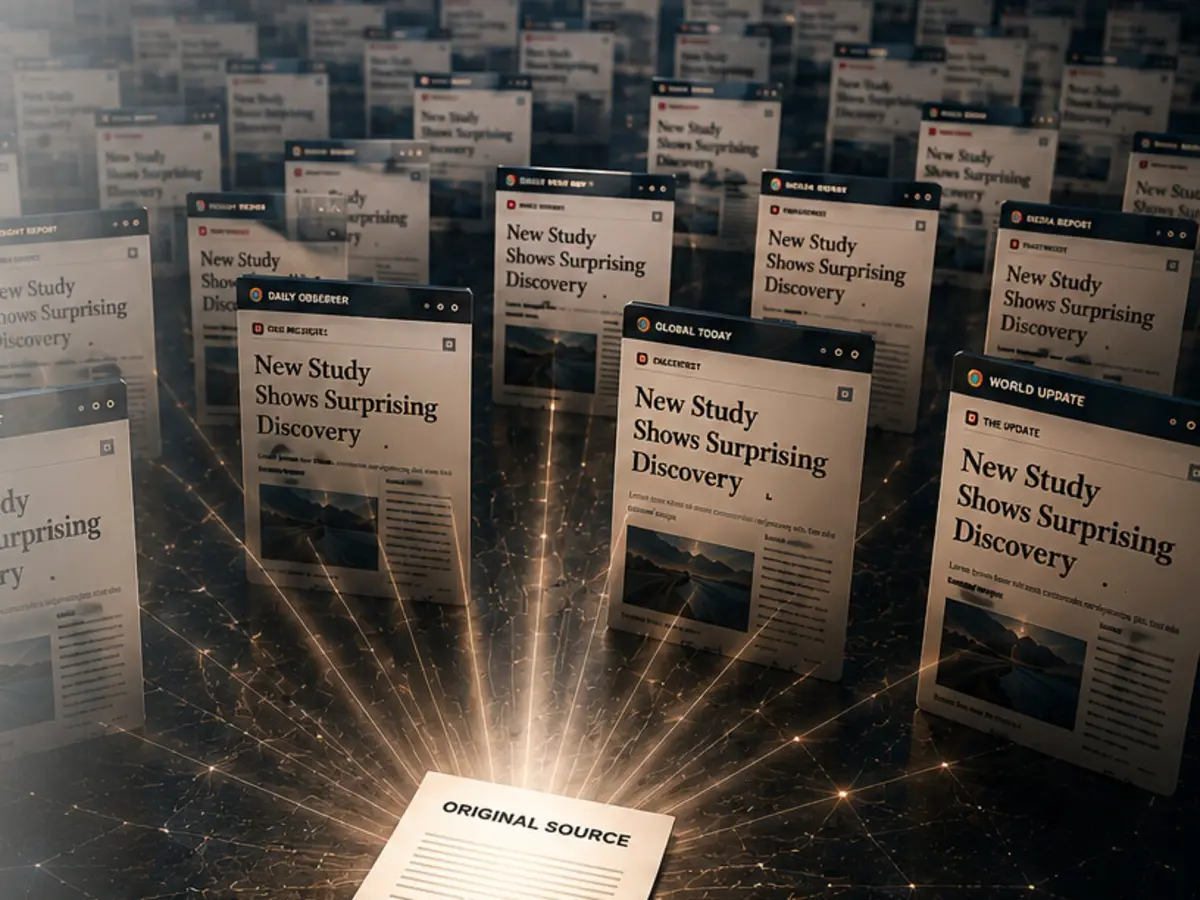
17
How repeated AI-generated information could begin to look like independent evidence.
Read essay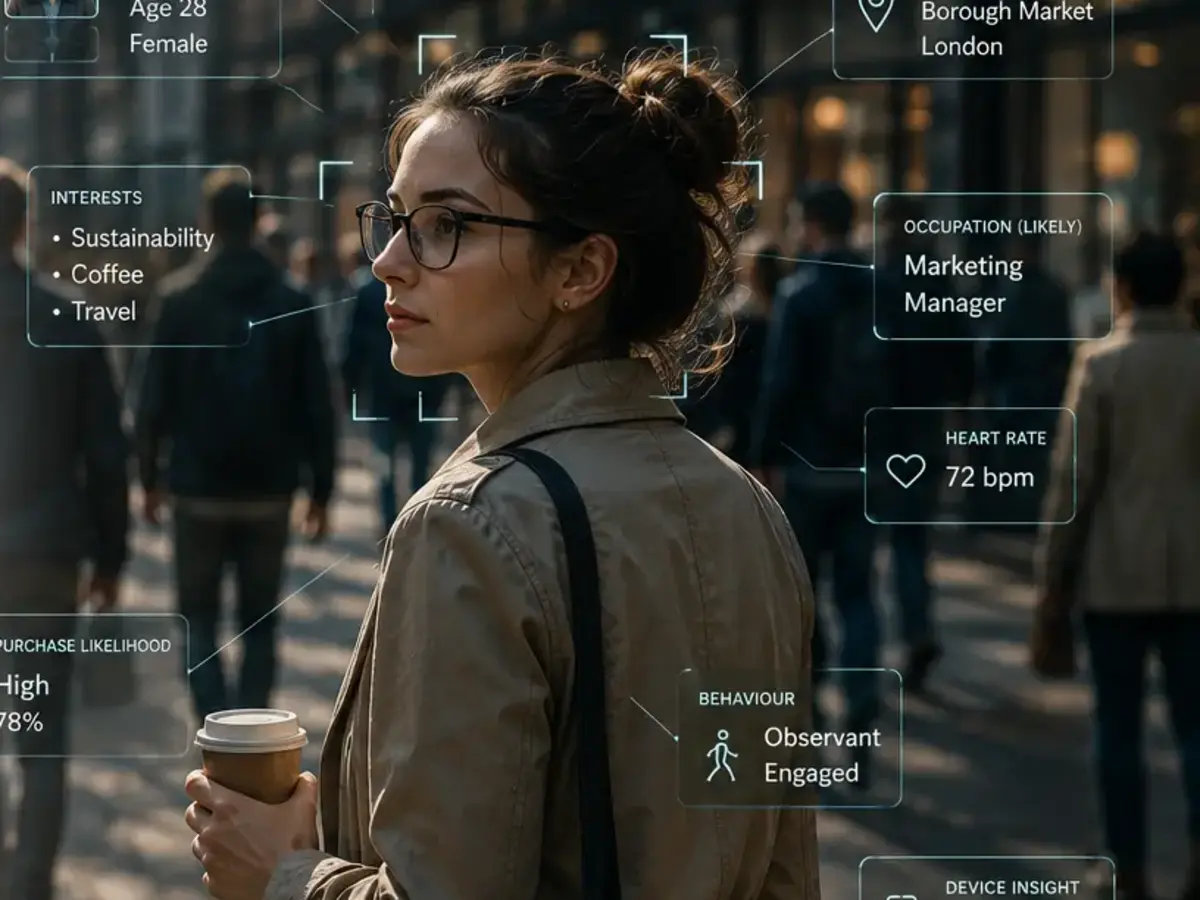
18
When cameras stop merely recording us and begin interpreting what they see.
Read essay
19
For years, social media encouraged us to compare ourselves to other people. What happens when the people no longer exist?
Read essay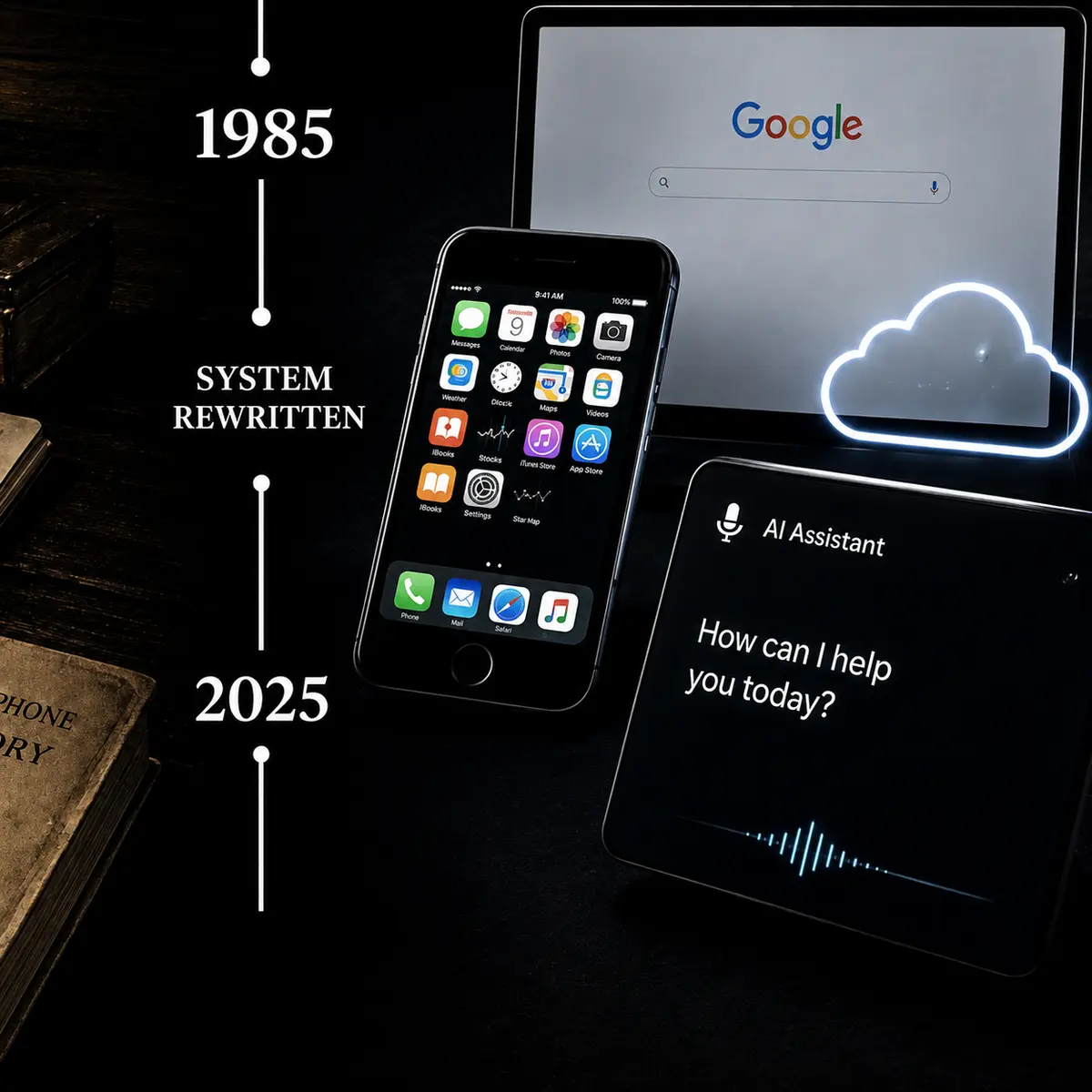
20
The buildings are still standing. The roads are still where we left them. Yet beneath the familiar surface, the operating system of society has been rewritten.
Read essayQuestions we are following
What happens when a digital life has no corresponding physical one?
How repetition, polish and speed can begin to resemble evidence.
Where technology should assist judgement—and where it should stop.
The future is not simply something that happens to us.