When most people look at an old photograph, they assume they are looking at a memory.
In reality, they are looking at a key and that key can come in many forms: a sea shell, a gifted piece of jewellery, a passed-down heirloom or a photograph.
The memory itself exists somewhere else, inside the mind.

So while the photograph can trigger a holiday, the memory of a conversation, a feeling or even the smell of the sea, none of these things exist inside the photograph itself.
The photograph merely presents the key that unlocks them.
This is why the same photograph can mean completely different things to different people.
The key remains the same.
The mind, or data centre, changes.
The Key and the Data Centre
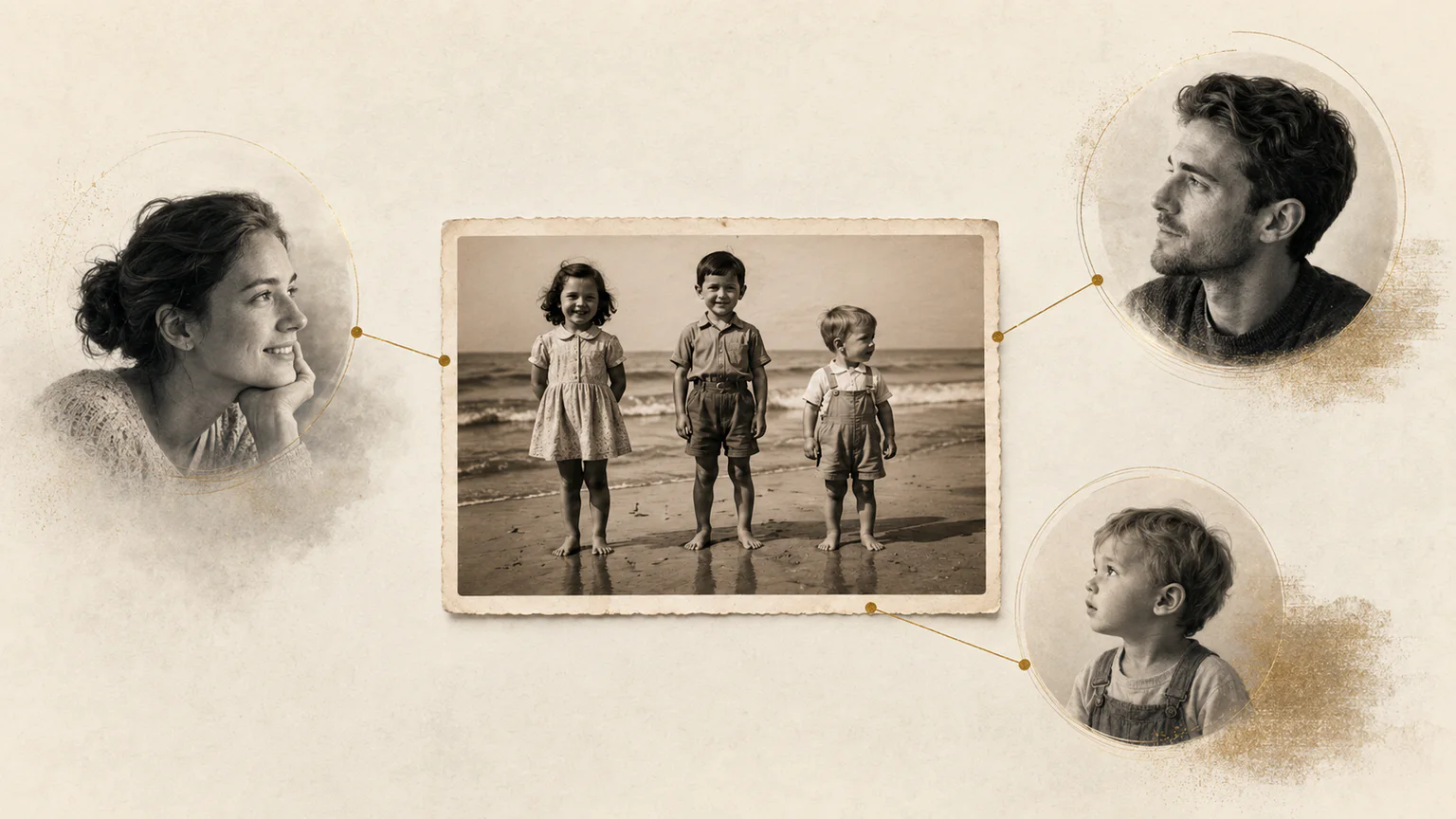
One person sees a childhood friend and another sees a sibling, but a distant relative years later sees a stranger.
The photograph has not changed.
But what did?
The understanding attached to it has.
This is the Key & Data Centre Model.
Keys are only trigger points but the mind is where the meaning lives.
Keys are only trigger points but the mind is where the meaning lives.
Why This Matters
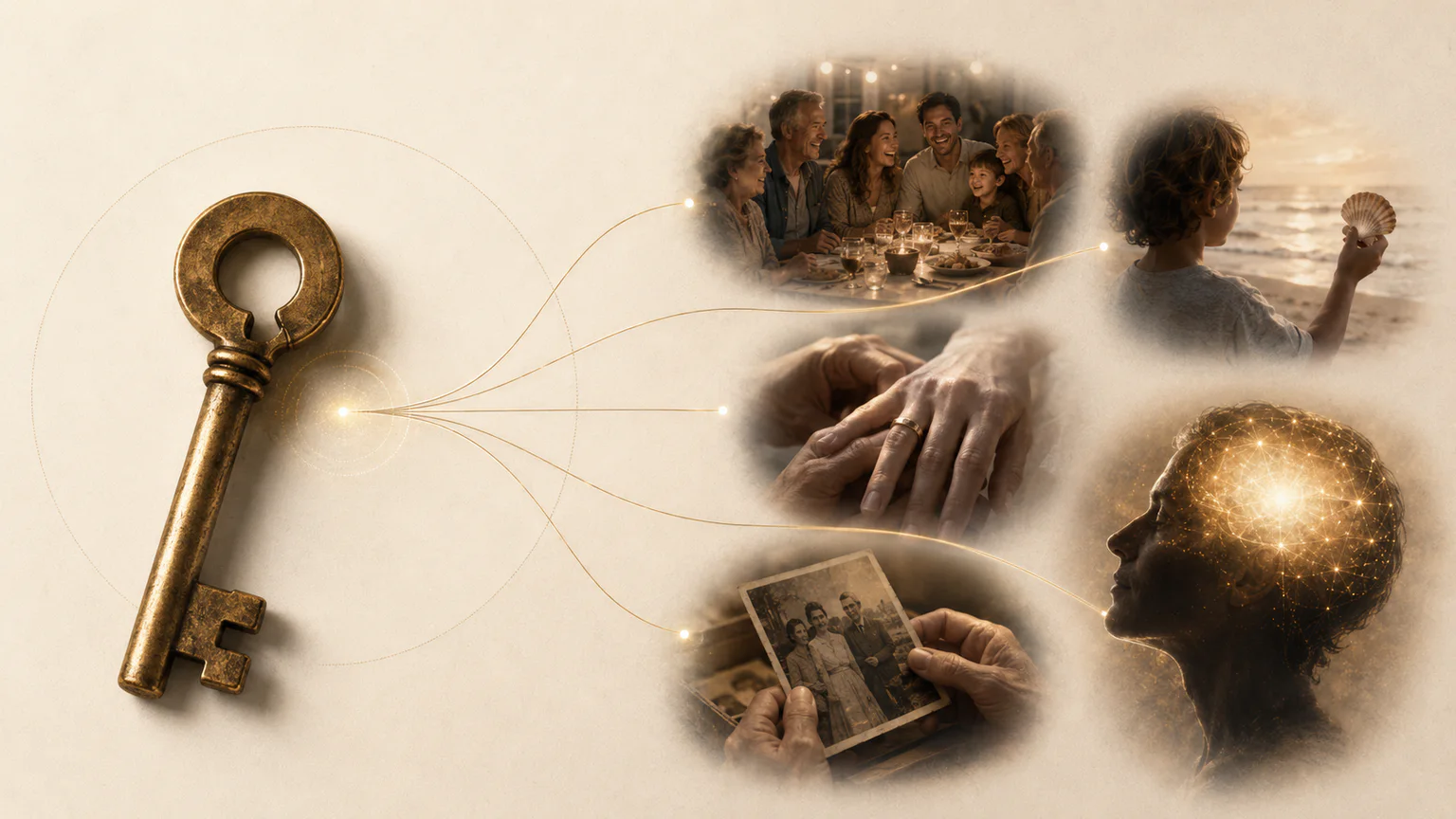
A photograph does not store the joke that made everybody laugh.
A sea shell does not store the feeling of standing on a beach as a child.
A wedding ring does not store the story of a relationship.
The key simply provides access.
The data centre contains the understanding.
This is also why continuity weakens over time.
The key may survive.
The photograph remains.
The keepsake remains.
The letter survives.
But if the data centre is no longer available, much of the understanding becomes inaccessible.
The key survives.
The key survives.The meaning does not.
The meaning does not.
Yet unlike a traditional data centre, human understanding is rarely stored in a single place.
It exists across multiple people.
Multiple perspectives.
Multiple generations.
Each person carries part of the understanding.
Part of the archive.
Part of the continuity.
Many Data Centres

This is where the Key & Data Centre Model begins to connect with the Human Archive.
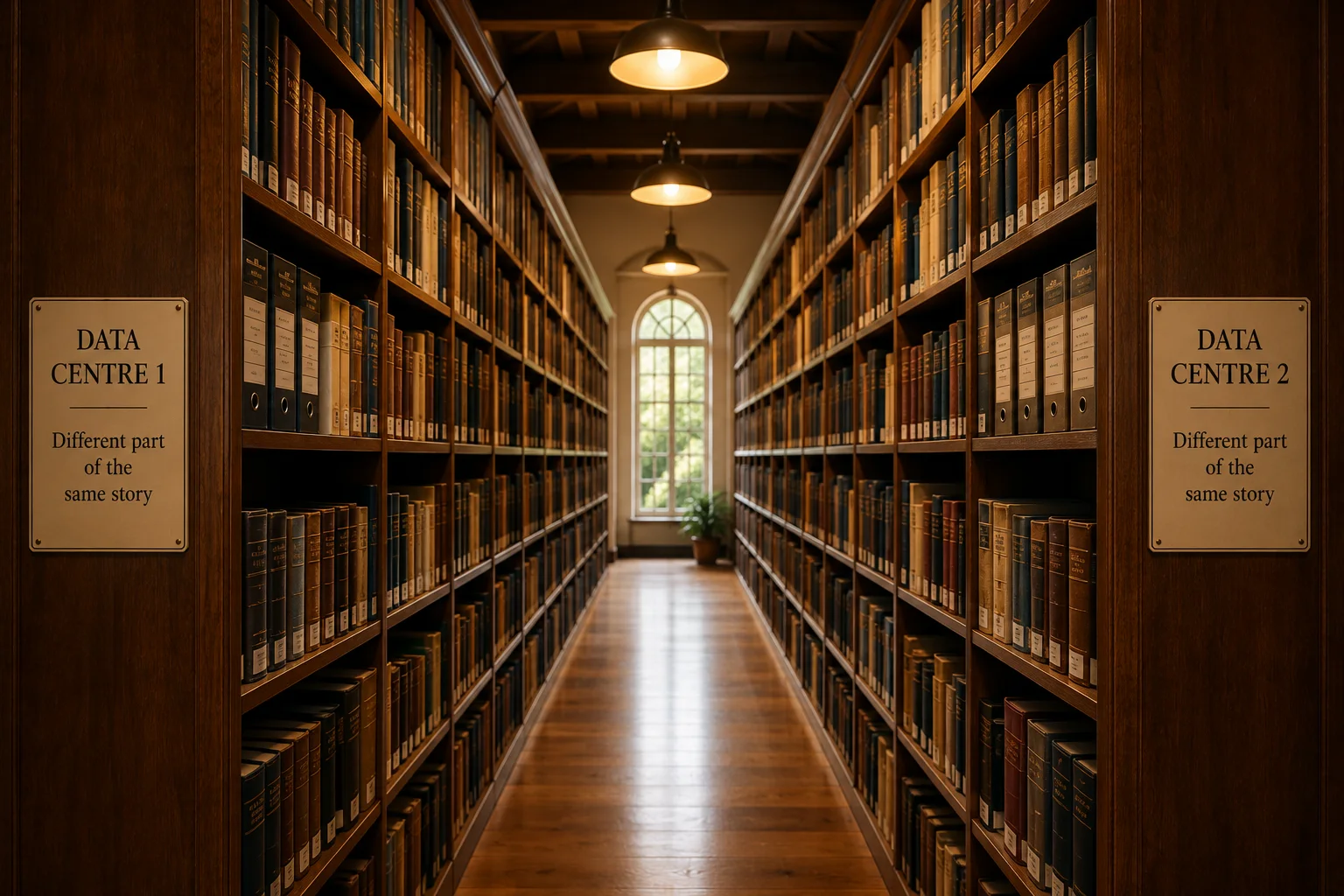
A single key can unlock many different data centres.
Each revealing a different part of the same story.
The key survives.
The meaning may not.
Continuity exists in the connection between them.