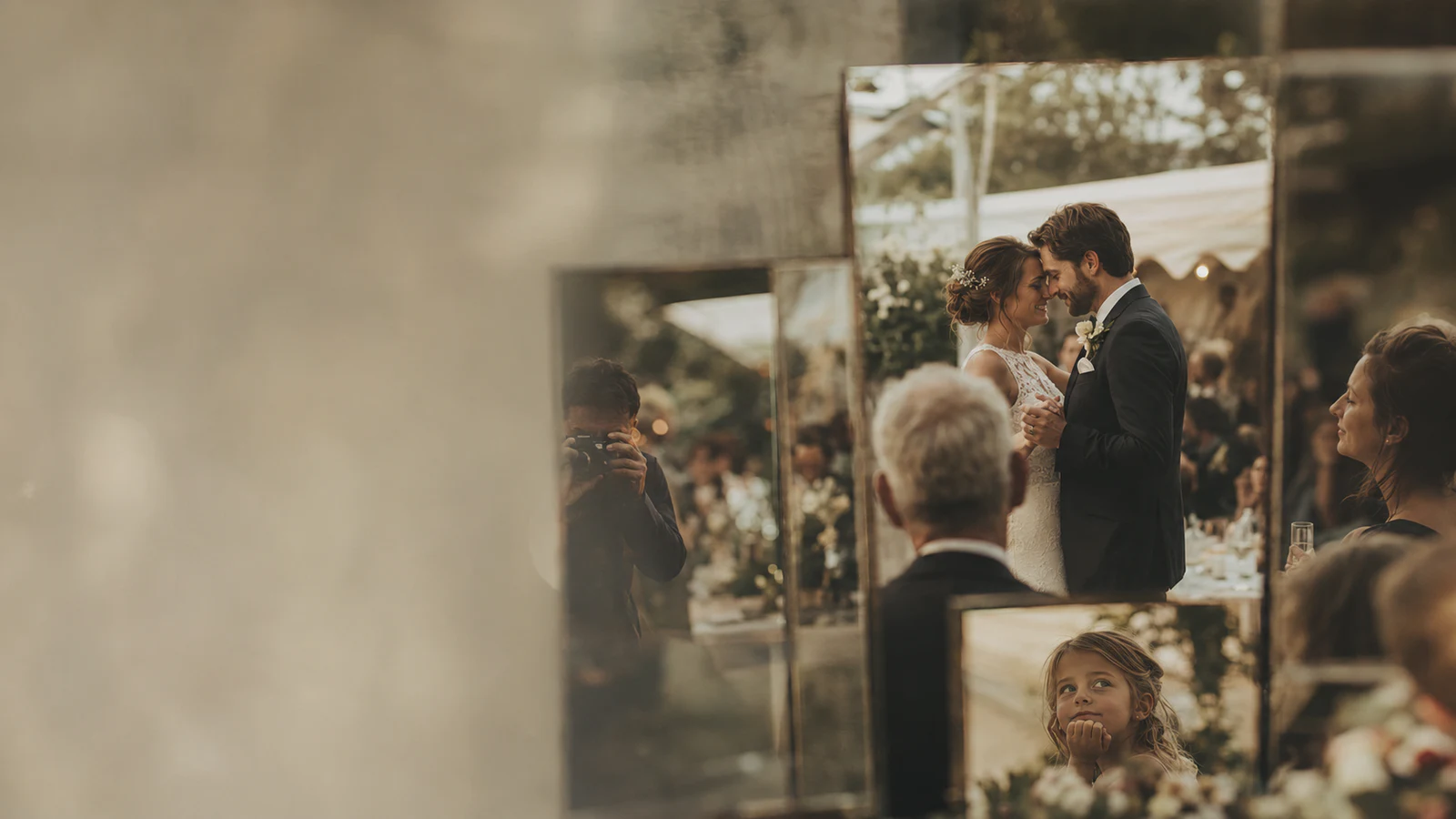
Every perspective is unique.
This seems obvious at first, yet it has profound implications for how memories survive and how continuity is preserved.
No two people experience an event in exactly the same way.
Even when standing in the same place at the same time, each person brings a different history, relationship, emotion and understanding to what they witness.
The event remains the same.
The perspective changes.
The Same Event
Consider a wedding.
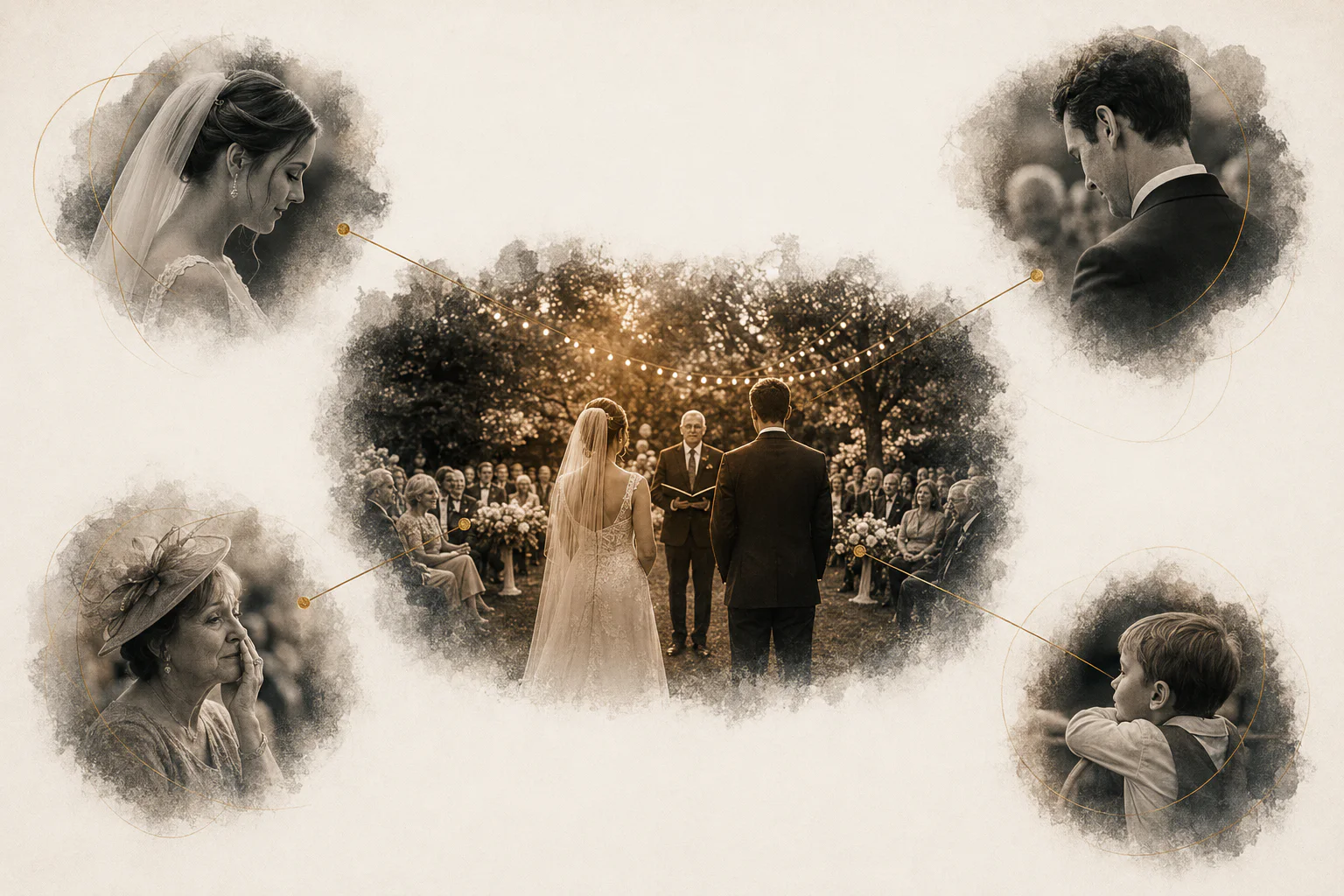
The bride may remember nerves.
The groom may remember relief.
A parent may remember pride.
A child may remember something entirely different.
The photographer may remember moments that nobody else even noticed.
Each person experienced the same event.
Each person remembers a different version of it.
This is not a flaw in memory.
It is the nature of perspective.
No single perspective is complete.
This is not a flaw in memory.
It is the nature of perspective.
No single perspective is complete.
A single perspective can preserve a memory.
It can tell us what happened.
It can preserve continuity.
It can keep the story alive.
Yet it can only ever show part of the picture.
Building Understanding
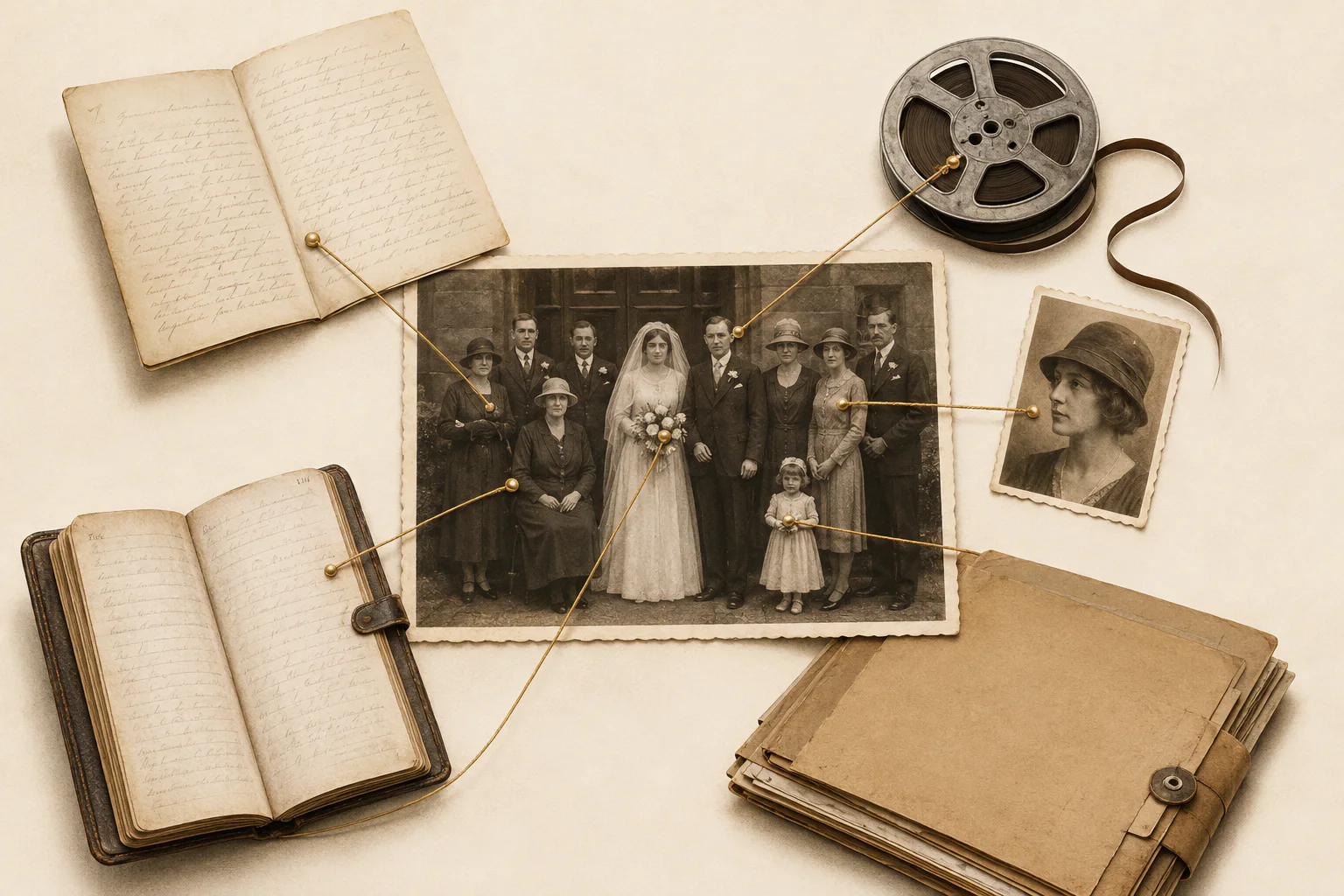
This is why historians rarely rely on a single source.
When attempting to understand an important event, they gather letters, diaries, records, observations and accounts from multiple people.
Not because one source is necessarily wrong.
Because every source is incomplete.
The goal is not simply to preserve the event.
The goal is to understand it.
Families often do exactly the same thing.
When relatives gather together, stories emerge that no individual could have told alone.
One person remembers the beginning.
Another remembers the ending.
Someone else remembers a detail everybody else had forgotten.
One perspective unlocks another.
One memory strengthens another.
The picture becomes clearer.
Perspective and Continuity
This is where perspective begins to differ from continuity.
Continuity preserves the existence of the story.
Perspective deepens the understanding of the story.
The more perspectives that survive, the richer that understanding becomes.
Perspective also strengthens credibility.
If a single person recalls an event, we have a memory.
If multiple people independently recall the same event, we gain confidence that it occurred.
Agreement strengthens confidence.
Disagreement can reveal complexity.
Both contribute value.
The purpose of perspective is not to create certainty.
It is to create understanding.
A single perspective can preserve a memory.
Multiple perspectives can reveal understanding.
This is the Perspective Principle.
The more perspectives that survive, the closer we come to understanding not only what happened, but what the event meant to the people who lived it.